


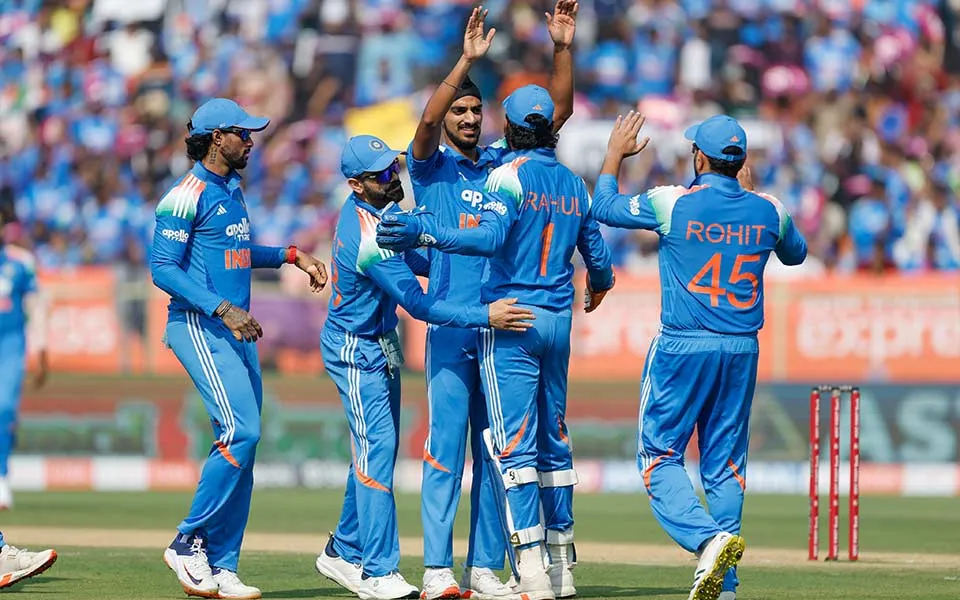
ODI match schedule is the first thing I search for whenever I hear a commentator say, “A huge series is coming up.” Because if you’re a real cricket fan, you already know this feeling: one day you’re casually scrolling, and suddenly you realize an ODI match started 20 minutes ago.
That’s the heartbreak no one talks about.
Whether you’re a student planning your study hours, a working professional managing office meetings, or a die-hard fan who treats match day like a festival—knowing the ODI fixtures in advance makes everything smoother.
And let’s be honest, ODI cricket is special. It has the balance of patience and aggression. It gives you enough time for comebacks, collapses, and those magical last-10-over chases that make you shout in your living room like you’re in the stadium.
So if you want to stay ahead of the action, this guide will help you understand how ODI schedules work, how to track them smartly, and how to never miss the matches that matter most.
Table of Contents
ToggleWhy the ODI Match Schedule Matters More Than You Think
Cricket isn’t just a sport in many countries—it’s a routine. It’s the reason families eat dinner a little later. It’s why friends suddenly “become free” after 1 PM. It’s also why people mysteriously cancel weekend plans when a big ODI is on.
But without a clear match plan, fans miss out on the best moments.
The ODI schedule helps you plan match time like you plan an important event. Because in many ways, it is one.
It tells you when the match starts, where it’s being played, which teams are facing each other, and how the series is structured. It also helps you predict the excitement level. A bilateral ODI series feels different from a World Cup match, and the schedule gives you that context.
Even if you don’t watch every match ball-by-ball, knowing the fixture list keeps you connected. You can follow highlights, check the score at the right time, and join the conversation without feeling lost.
What’s Included in an ODI Match Schedule?
A proper ODI schedule is not just a list of dates. It’s a complete match roadmap.
Most official schedules include match date, match number, teams, venue, start time, and series name. Some also include match day, local time, and broadcast details.
For example, a single line like “India vs Australia, 2nd ODI, Nagpur, 1:30 PM” already tells you everything you need to plan your day.
And if you’ve ever planned a watch party, you know how valuable that information is. Snacks don’t magically appear. People don’t magically show up. Timing matters.
Schedules also help fans track travel matches. When teams play back-to-back games in different cities, conditions change. That affects pitch behavior, player fatigue, and even match results.
So yes, the schedule is more powerful than it looks.
How ODI Schedules Are Created (And Why They Change)
Many fans assume match schedules are fixed forever. In reality, cricket calendars are planned months in advance, but changes can happen.
Boards coordinate with broadcasters, stadium availability, travel logistics, security planning, and international cricket windows. It’s a huge puzzle.
Sometimes, schedules shift due to weather risks, political issues, venue upgrades, or even last-minute series adjustments. That’s why it’s smart to follow official sources and keep checking updates.
This is also why serious fans don’t rely on random screenshots floating around social media. A schedule screenshot can be outdated within weeks.
When you track the ODI schedule through reliable platforms, you stay prepared—even when fixtures move.
ODI match schedule: How to Track It Like a Pro Fan
ODI match schedule tracking becomes easy when you use the right method instead of guessing. The best fans don’t just “hope” they’ll remember match day. They set up a simple system.
A smart approach is to follow official cricket boards and trusted match-center apps. These platforms usually show the full series layout and any updates instantly.
Another pro move is using calendar reminders. Once you add match timings to your phone calendar, you don’t have to worry about forgetting.
If you’re someone who follows multiple teams, this becomes even more useful. International ODI cricket overlaps with other formats, and without reminders, it’s easy to mix up match dates.
Also, match start times can differ based on the host country. A match in England won’t follow the same time routine as a match in India. The schedule helps you adjust your watch time accordingly.
The goal is simple: you should know the match before the match knows you.
Understanding ODI Series Types Through the Schedule
When you look at an ODI fixture list, you’re not just seeing matches—you’re seeing the story structure.
Some ODI series are short and sharp. Three matches, one winner, done. Others are longer and feel like a full season.
A bilateral ODI series usually has 3 to 5 matches. These series are great for momentum swings. Lose the first match, win the second, and suddenly the third becomes a mini-final.
Then there are tri-series or multi-team events. These schedules look more packed, with more frequent matches and less rest time. Players rotate more, and strategies shift faster.
And of course, the biggest schedule of all: ICC ODI tournaments. That’s when every match feels like a blockbuster.
Once you understand what kind of series you’re looking at, the schedule becomes more meaningful. You start anticipating turning points, must-win games, and rivalry clashes.
How to Use the ODI Schedule to Predict Big Matches
Cricket fans love predictions. But the best predictions start with one thing: timing.
When a schedule shows two top teams meeting after a long travel gap, you can expect surprises. When you see a match at a venue known for high scores, you can expect a run-fest. When you see a day-night ODI, dew becomes a factor.
Even the order of matches matters.
If a team plays multiple matches in the same city, they settle in and often perform better. If a team is constantly moving, fatigue can show.
The schedule also tells you when rivalries happen. India vs Pakistan, Australia vs England, South Africa vs New Zealand—these fixtures carry history.
A fan who reads the schedule carefully doesn’t just watch matches. They experience the build-up.
Match Timings: Why Start Time Can Change Your Whole Experience
ODIs are long. That’s the beauty of them.
But the start time can decide how much of the match you actually get to enjoy.
A day match might begin in the afternoon and end by evening. A day-night match might begin late and stretch into the night. For working people, that difference is everything.
If you’re planning to watch a match with family, you may prefer a weekend afternoon ODI. If you’re watching with friends, a night ODI feels like an event.
Schedules usually mention local time, but some platforms also show your device time zone automatically. That makes planning much easier, especially if you follow overseas tours.
Also, don’t ignore warm-up and toss time. Many fans love watching the toss because it sets the match tone immediately.
Knowing the schedule gives you full control over your cricket day.
The Venue Factor: ODI Schedules Reveal Conditions Early
Every cricket ground has a personality.
Some venues produce flat pitches where 350 feels normal. Some venues help swing bowlers early. Some grounds are famous for spin. Some are known for chasing advantages under lights.
When the ODI fixture list shows venues, it gives you early clues.
If you’re a fantasy cricket player, this becomes gold. You can select players based on conditions. A spinner-heavy team might dominate in Chennai, while pace bowlers could shine in Wellington.
Even for regular fans, venues create excitement. Watching an ODI at Eden Gardens feels different from watching one at a smaller ground. The crowd energy changes. The pressure changes.
That’s why the schedule isn’t just information. It’s anticipation.
ODI match schedule for Fans Who Follow Multiple Teams
ODI match schedule becomes even more important when you support more than one team—or when you enjoy cricket beyond just your home nation.
Maybe you love India’s batting, but you also enjoy Australia’s aggressive style. Maybe you follow England’s modern ODI approach, but you also admire Afghanistan’s rise.
In that case, your calendar gets busy quickly.
International cricket doesn’t pause. ODIs happen alongside Tests, T20s, leagues, and domestic tournaments. Without a clear schedule, you’ll miss great matches simply because you didn’t know they were happening.
A good habit is checking the upcoming ODI list weekly. That way, you stay updated without getting overwhelmed.
Also, some series don’t get huge marketing hype, but they produce thrilling matches. A tight ODI between Sri Lanka and Bangladesh can be as entertaining as any big rivalry.
The schedule helps you discover those hidden gems.
How ODI Schedules Help With Fantasy Cricket and Match Analysis
Fantasy cricket is no longer a “fun side thing.” For many fans, it’s part of the match ritual.
But fantasy success depends on planning. And planning depends on knowing fixtures early.
When you know the match date and venue, you can start thinking about pitch type, team combinations, and possible playing elevens. You can track injury news and squad rotations too.
ODIs are especially interesting for fantasy because players have more time to make an impact. A batter can score big, a bowler can take a five-for, and an all-rounder can dominate both innings.
Match schedules also help analysts and content creators. If you write previews, post predictions, or create match videos, you need fixture clarity.
Even casual fans benefit. When you know the schedule, you can follow player form across matches and understand the series story better.
Common Mistakes Fans Make While Following ODI Fixtures
The biggest mistake is trusting unofficial sources without checking.
A random post might show wrong timings or even incorrect venues. Another mistake is ignoring time zones, especially during overseas tours.
Some fans also confuse ODI fixtures with T20 or Test schedules. It happens more than you think, especially when tours include all formats.
Another common mistake is only checking the first match date and forgetting the rest. Many people watch the opener and then miss match two and three because life gets busy.
The simplest solution is to keep the full series saved in one place. A calendar reminder or a trusted cricket app solves this instantly.
When you treat the schedule like a checklist, you enjoy more cricket with less stress.
Best Ways to Stay Updated When Schedules Change
Cricket schedules can change, and when they do, fans often get surprised.
To avoid that, stick to official updates from cricket boards, ICC announcements, and verified match centers. These sources usually update fixture changes quickly.
It’s also helpful to enable notifications for your favorite teams. That way, even if a match time changes, you’ll know before the first ball.
If you follow ODI cricket seriously, think of it like travel planning. You wouldn’t plan a trip using outdated information. Cricket deserves the same attention.
Because nothing feels worse than setting up snacks, sitting down excitedly, and realizing the match starts tomorrow.
Why ODI Cricket Still Feels Like the Perfect Format
ODIs have a unique charm.
They’re not as long as Tests, but they’re not as rushed as T20s. They give players time to build an innings and still demand smart acceleration.
A good ODI match has phases. Powerplay pressure. Middle-over control. Death-over drama.
And that’s why ODI fixtures matter so much. Each match is a full story, not just a quick highlight.
When you follow the schedule, you don’t just watch cricket—you follow a journey. You see form changes, team strategies, captaincy decisions, and series momentum.
ODIs reward attention, and the schedule is where that attention begins.
How to Plan Your Life Around Big ODI Matches Without Stress
You don’t need to cancel your whole day for every ODI. But for the big matches, planning makes the experience better.
If a high-voltage rivalry match is coming up, you can clear your schedule early. If it’s a weekend ODI, you can plan with friends. If it’s a weekday afternoon match, you can follow the score and watch highlights later.
The schedule gives you options. It lets you choose how you want to enjoy the match.
Some fans watch every ball. Some watch only the second innings. Some watch the last 15 overs. All of that becomes easier when you know the match timing in advance.
Cricket should feel exciting, not chaotic.
The Smart Fan’s Final Tip: Treat the Schedule Like a Match Preview
The best part about tracking ODI fixtures is the excitement before the match even begins.
When you see the next match listed, your mind starts imagining the contest. Who will open? Who will bowl at the death? Will the pitch be slow? Will there be dew?
That anticipation is part of the fun.
So the next time a series is announced, don’t wait for match day to arrive unexpectedly. Check the schedule, save it, and enjoy ODI cricket the way it’s meant to be enjoyed—fully prepared and fully excited.
And yes, if you’re serious about never missing a moment, keep the ODI match schedule close—because the best matches often come when you least expect them.
Read also:
pakistan national cricket team vs sri lanka national cricket team match scorecard
south africa national cricket team vs afghanistan national cricket team match scorecard
bangladesh women’s national cricket team vs west indies women’s cricket team match scorecard
sri lanka national cricket team vs bangladesh national cricket team match scorecard