


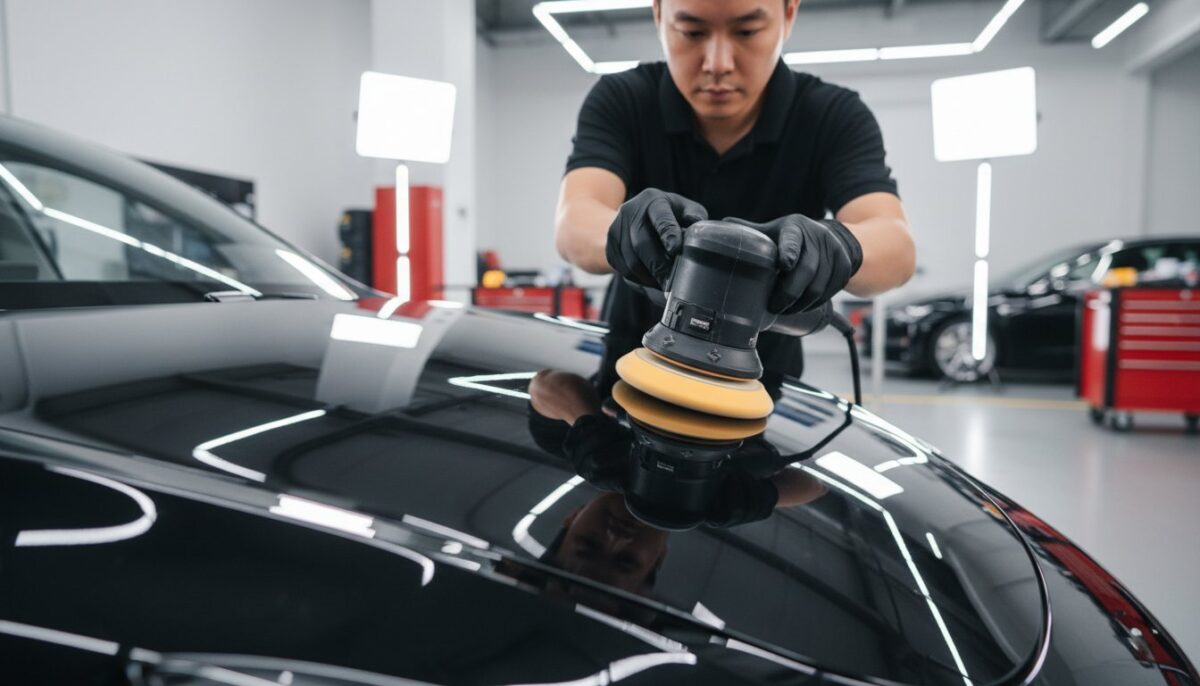
DIY car repair guide is becoming an essential resource for anyone who wants to take control of their vehicle maintenance. Instead of relying entirely on mechanics, many car owners are discovering the benefits of learning basic repair skills.
Picture this: your car suddenly makes an unusual noise, and instead of panicking or rushing to a garage, you confidently inspect and fix the issue yourself. This sense of independence is what makes DIY car repair so rewarding.
With the right knowledge and tools, handling minor repairs at home is not only possible but also practical. It saves money, builds confidence, and helps you understand your vehicle better.
Why a DIY car repair guide Matters Today
In today’s world, having access to a reliable DIY car repair guide is more valuable than ever. Rising service costs and busy schedules make frequent visits to repair shops less convenient.
Learning basic repair skills allows you to handle common issues quickly and efficiently. It also reduces dependency on external services for minor problems.
Additionally, understanding how your car works can prevent larger issues. Early detection of problems often leads to easier and less expensive fixes.
For many people, DIY car repair becomes more than just a skill—it becomes a practical life advantage.
Understanding Your Vehicle Basics
Before diving into repairs, a DIY car repair guide emphasizes the importance of understanding your vehicle’s basic components. Knowing how the engine, brakes, battery, and fluids work provides a strong foundation.
This knowledge helps you identify problems more accurately. For example, recognizing the signs of a weak battery or worn brake pads can prevent unexpected breakdowns.
Familiarity with your car also makes it easier to follow repair instructions. You’ll feel more confident handling tools and performing tasks.
Taking the time to learn these basics ensures safer and more effective repairs.
Common Repairs You Can Do at Home
One of the key advantages of a DIY car repair guide is learning how to handle common repairs without professional help. Tasks like changing engine oil, replacing air filters, and checking tire pressure are simple yet essential.
These small maintenance activities can significantly improve your car’s performance and longevity. They also help you avoid costly repairs caused by neglect.
Battery replacement is another task that many people can manage at home. With proper precautions, it’s a straightforward process that saves both time and money.
By mastering these basic repairs, you can keep your vehicle in good condition with minimal effort.
Real-Life Experience: A Simple Fix That Saved Money
The value of a DIY car repair guide becomes clear in real-life situations. Consider a driver who notices their car struggling to start. Instead of immediately visiting a mechanic, they check the battery connections and discover a loose cable.
With a simple adjustment, the problem is resolved within minutes. This quick fix not only saves money but also avoids unnecessary stress.
In another case, a car owner learns to replace worn-out wiper blades. This small task improves visibility and safety during rainy conditions.
These experiences show how basic knowledge can make a significant difference in everyday life.
Essential Tools for DIY Repairs
A well-equipped toolkit is an important part of any DIY car repair guide. Having the right tools ensures that repairs are performed safely and efficiently.
Basic tools such as wrenches, screwdrivers, and pliers are essential for most tasks. A jack and tire iron are also necessary for handling tire-related issues.
Investing in quality tools can make a big difference. Reliable equipment not only lasts longer but also makes repairs easier and more accurate.
Keeping your tools organized and accessible helps you stay prepared for any situation.
Safety First: Important Precautions
Safety is a top priority in any DIY car repair guide. Working on a vehicle involves risks, so taking proper precautions is essential.
Always ensure that the car is parked on a stable surface before starting any repair. Using safety equipment such as gloves and protective eyewear can prevent injuries.
It’s also important to follow instructions carefully. Skipping steps or using incorrect tools can lead to accidents or further damage.
Understanding your limits is crucial. If a repair seems too complex, seeking professional help is always the safer option.
Challenges of DIY Car Repair
While a DIY car repair guide offers many benefits, it also comes with challenges. One common issue is the lack of experience, which can make certain tasks difficult for beginners.
Time is another factor. Some repairs may take longer than expected, especially when learning new techniques.
Access to the right tools and parts can also be a challenge. Without proper equipment, completing repairs becomes more complicated.
Despite these obstacles, persistence and practice can help overcome these challenges and improve your skills over time.
The Role of Technology in DIY Repairs
Technology has made it easier to follow a DIY car repair guide. Online tutorials, videos, and mobile apps provide step-by-step instructions for various repairs.
Diagnostic tools are also becoming more accessible. These devices help identify issues quickly, making it easier to determine the necessary repairs.
Digital platforms allow users to share experiences and learn from others. This community support enhances the learning process and builds confidence.
With these resources, DIY car repair is more accessible than ever before.
Building Confidence Through Practice
Confidence is a key outcome of following a DIY car repair guide. Each successful repair builds your skills and encourages you to take on more complex tasks.
Starting with simple repairs and gradually progressing to advanced ones helps develop a strong foundation. Over time, you become more comfortable handling different types of issues.
This confidence extends beyond car repair. It fosters a problem-solving mindset that can be applied to other areas of life.
Learning by doing is one of the most effective ways to gain practical knowledge and skills.
Cost Savings and Long-Term Benefits
One of the biggest advantages of a DIY car repair guide is the potential for cost savings. By handling minor repairs yourself, you can significantly reduce maintenance expenses.
Over time, these savings add up, making DIY repair a financially smart choice. It also allows you to allocate your budget more effectively.
In addition to financial benefits, DIY repair promotes better vehicle care. Regular maintenance helps extend the life of your car and improves its performance.
This proactive approach ensures that your vehicle remains reliable and efficient for years to come.
Why DIY Car Repair is a Valuable Skill
The growing popularity of a DIY car repair guide highlights its importance in modern life. It empowers individuals to take control of their vehicle maintenance and reduce dependency on external services.
By combining knowledge, tools, and practice, anyone can develop the skills needed to handle basic repairs. This not only saves money but also enhances confidence and independence.
As more people embrace this approach, DIY car repair is becoming a valuable skill that supports both personal and financial well-being.
Read also: