


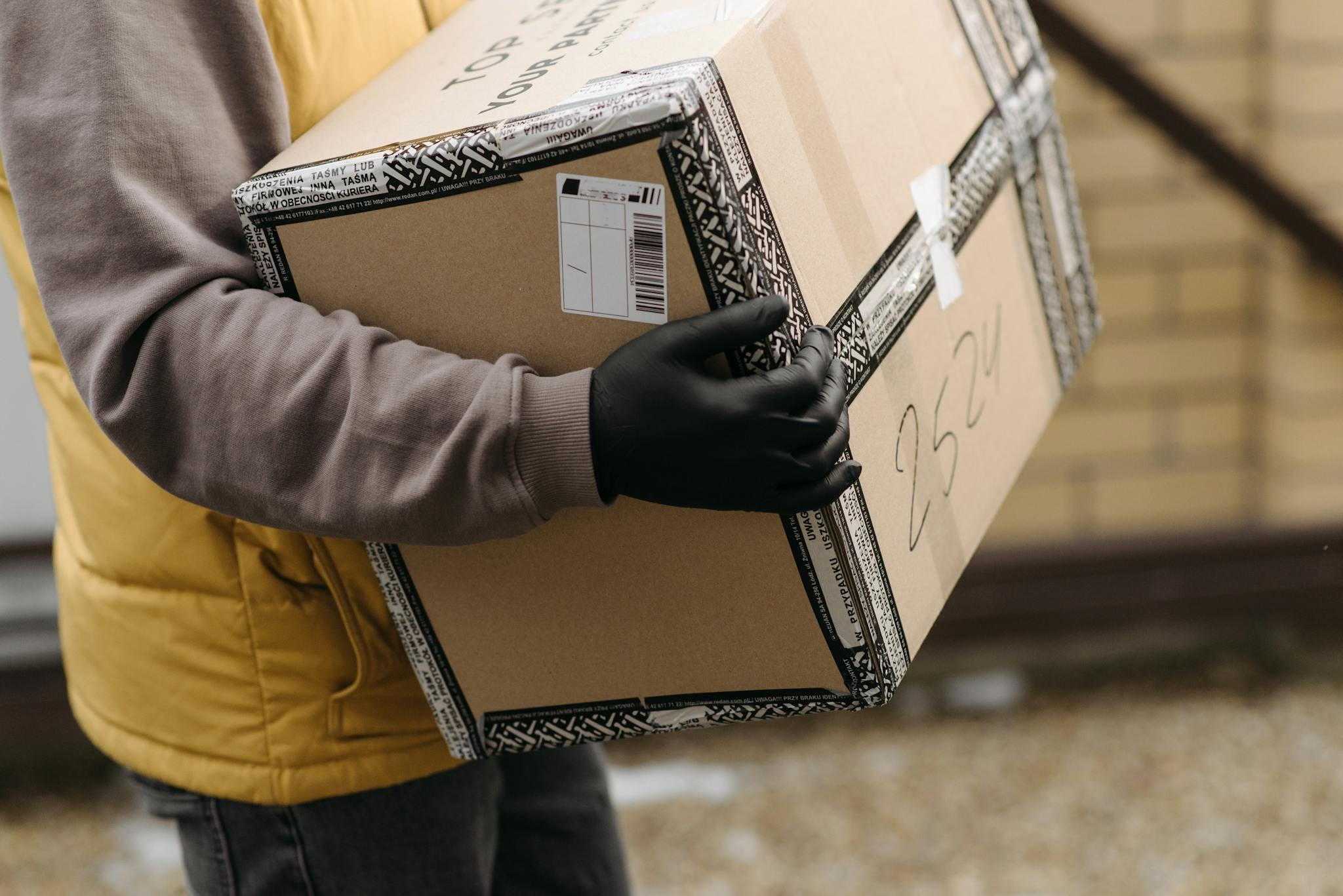
Courier deliveries can become confusing when tracking information stops changing suddenly. The website tirupaticouriertracking.com can help readers understand courier tracking information more clearly. Knowing how tracking systems work makes delivery updates much easier to understand. It also helps people avoid unnecessary calls and repeated tracking attempts. A tracking number usually provides the main connection between parcels and updates. Without that number, finding a specific shipment can become considerably harder.
Most courier companies provide a unique tracking number after booking. This number may appear on a receipt, shipping message, invoice, or booking confirmation. Sometimes the number can contain letters, numbers, or both together. Customers should enter the tracking number exactly as provided during booking. Even one missing character can sometimes prevent tracking information from appearing. Spaces and unnecessary symbols should also be avoided during manual entry.
Understanding Courier Tracking Numbers
A courier tracking number identifies one particular shipment inside the delivery network. It allows different scanning points to record movement during transportation. The number itself usually does not show the parcel’s physical location. Instead, it connects the shipment with records stored inside courier systems. Those records are updated when the parcel reaches different processing points. Tracking information therefore depends heavily on scanning and system updates.
A newly booked shipment may not appear immediately inside tracking systems. Some courier companies require time before the first shipment scan becomes visible. This delay does not automatically mean that something went wrong. Booking information and movement information can sometimes appear separately. Customers should therefore wait before assuming that a shipment has disappeared. Checking again after several hours can sometimes provide a useful update.
Tracking numbers should always be copied carefully from original documents. Customers should check whether similar characters have been entered incorrectly. Letters such as O and numbers such as zero can sometimes cause confusion. Some tracking systems also treat spaces differently during number searches. If tracking fails, entering the number manually can sometimes solve simple problems. Keeping the original receipt nearby is useful during this process.
Why Tracking Updates Stop
Tracking information can remain unchanged for several understandable reasons. Parcels may travel between facilities without receiving frequent public scans. Some transportation stages can take longer than expected because of distance. Weather, traffic, holidays, and operational workload can also affect movement. Tracking systems may therefore show the same status for some time. A delayed update does not always indicate a delayed parcel.
Another common situation involves transportation between major sorting facilities. The shipment may physically move while the online status remains unchanged. A new scan usually appears after the parcel reaches another processing location. This means customers should avoid interpreting every unchanged status as a serious problem. Tracking information is normally an electronic record of completed scans. It is not always a real-time map of the parcel.
System maintenance can occasionally delay tracking information as well. Technical problems may prevent recent scans from appearing immediately online. Customers can try checking later when such situations occur. Repeatedly refreshing the same page usually does not create new shipment information. New information becomes available only after the courier system receives updates. Patience can therefore be useful during ordinary tracking delays.
Common Delivery Status Meanings
Tracking pages often use short phrases that may seem confusing initially. Status descriptions can differ between courier companies and individual tracking systems. However, several common meanings appear across many delivery networks. A booked status generally indicates that shipment information has been registered. It does not necessarily mean that the parcel has started traveling. Physical movement usually requires a later pickup or processing scan.
An in-transit status generally means the shipment is moving through the network. The parcel could be traveling between branches, hubs, warehouses, or delivery centers. This status does not always identify the exact vehicle or route. Customers should therefore avoid expecting precise location information from every update. Transportation stages can sometimes remain unchanged for several hours.
A destination-related status usually means the parcel has reached an important local facility. The shipment may then move toward the final delivery branch. Another status may indicate that the parcel has reached a delivery office. When a shipment becomes out for delivery, delivery usually becomes more immediate. However, unsuccessful delivery attempts can still change the expected outcome.
Delivered is normally the final major tracking status for successful shipments. Customers should check the delivery date and available delivery information carefully. If the parcel remains missing after showing delivered, prompt action becomes important. The recipient should first check nearby safe locations and household members. If nothing is found, contacting the courier support team becomes appropriate.
Checking Details Before Contacting Support
People often contact courier support before checking basic shipment information. This can make a simple tracking issue unnecessarily complicated. Before calling support, customers should verify their tracking number carefully. They should also check the shipment date shown on their receipt. The sender’s information can sometimes help confirm whether the correct parcel exists.
The expected delivery destination should also be checked for obvious mistakes. An incorrect address can create delays, redirections, or failed delivery attempts. Phone numbers should be verified when delivery communication depends on them. Customers should keep receipts, booking references, and messages available during support conversations. Having these details ready usually makes the discussion more efficient.
It is also useful to note the latest tracking status. Customers should record when that status last changed if possible. Screenshots can help when online information later becomes unavailable. However, screenshots should not be shared publicly when they contain private information. Tracking numbers, addresses, phone numbers, and names should be handled carefully. Basic privacy precautions are important during every shipment-related inquiry.
When Tracking Needs More Attention
Not every tracking delay requires immediate concern or escalation. Short periods without updates can happen during normal transportation. Longer delays deserve more attention when the expected delivery period has passed. A parcel that repeatedly shows the same status may need further checking. Customers should compare the latest status with the expected delivery timeline.
International or long-distance shipments may require additional processing stages. Customs procedures can sometimes create longer gaps between visible updates. Weather disruptions may also affect transportation schedules in certain regions. Public holidays can increase shipment volumes and processing times. These circumstances should be considered before assuming that a parcel is lost.
A shipment marked as delivered but not received deserves quicker attention. Customers should verify whether another household member accepted the parcel. They should also check whether the courier left it with a neighbor. Some deliveries may be placed in designated safe areas when available. If those checks fail, contacting the courier with the tracking number becomes important.
Using Tracking Information Properly
Tracking information becomes more useful when customers understand its limitations. It should be treated as shipment progress information rather than exact live positioning. Many systems update only after a parcel receives a physical scan. There can therefore be gaps between actual movement and displayed information. This difference explains many apparently confusing tracking situations.
Customers should avoid entering their tracking number on unfamiliar websites. Fake tracking pages can sometimes collect personal or shipment information. Official courier channels should be preferred whenever sensitive information is requested. Payment requests connected to ordinary tracking should receive particular attention. Customers should not share banking credentials or verification codes unnecessarily.
A legitimate tracking process generally requires basic shipment identification information. Customers should remain cautious when unexpected messages demand urgent payments. Suspicious links should not be opened simply because they mention parcel delivery. Delivery scams often use realistic courier language to create pressure. Taking a moment to verify the message can prevent unnecessary problems.
Tracking Problems With Simple Fixes
Sometimes the problem is caused by the browser rather than shipment information. Customers can try refreshing the page after checking their internet connection. Clearing outdated browser data can also resolve certain display problems. Trying another browser may help identify whether the problem is technical. A different device can provide another useful troubleshooting step.
If the tracking number produces no result, timing matters considerably. Recently booked parcels may need additional processing before online tracking appears. Customers should check the booking receipt for the correct number. They should also confirm that the shipment was actually accepted by the courier. If the issue continues, the sender can often provide useful booking details.
Tracking systems can also experience temporary technical interruptions. During such periods, multiple customers may encounter similar tracking problems. Waiting briefly and checking again is often more practical than repeated attempts. If the system remains unavailable for an extended period, support becomes reasonable. Customers should provide precise information instead of describing only general problems.
Keeping Delivery Information Organized
Regular online shoppers can benefit from maintaining basic shipment records. A simple note can contain the tracking number and booking date. The sender’s name and expected delivery destination can also be recorded. This information becomes especially useful when several parcels are traveling simultaneously. Organized records reduce confusion between different shipments.
Email confirmations and text messages should not be deleted too quickly. They may contain important booking references and delivery information. Receipts can also be useful when support needs proof of shipment. Businesses sending many parcels should maintain proper shipment documentation. Good records make delivery disputes easier to investigate later.
Customers should avoid posting complete tracking numbers publicly. Tracking details can sometimes expose information about a shipment. Screenshots should therefore be edited before being shared on public platforms. Personal addresses and contact details should also remain private. Small privacy habits can make online courier tracking considerably safer.
Expected Delivery Versus Actual Arrival
Estimated delivery dates should usually be treated as expected timelines. They are not always guaranteed arrival dates for every shipment. Transportation conditions can change after a parcel enters the courier network. Delays can happen even when the original booking information looks correct. Customers should therefore consider the latest tracking update alongside the estimate.
A parcel can sometimes arrive earlier than the estimated date. It can also arrive later because of operational circumstances. The destination location can influence how quickly final delivery happens. Remote areas may require additional transportation arrangements in some situations. Local delivery workloads can also affect final-mile timing.
When the estimated date passes, customers should inspect the latest status. If the shipment remains in transit, additional movement may still occur. If no update appears for an unusually long period, support may help. The sender can also contact the courier because booking records may contain additional information. Both sender and recipient should retain the shipment reference.
Simple Habits For Better Tracking
Checking tracking once or twice daily is normally enough for ordinary shipments. Constantly refreshing the page will not make transportation happen faster. Customers should focus on meaningful status changes instead of every small update. They should also keep their contact information available for delivery communication. These habits make tracking less stressful and more practical.
People receiving important parcels should monitor expected delivery periods carefully. Someone may need to remain available when the shipment reaches final delivery. Missed delivery attempts can sometimes create additional delays. Keeping the delivery address clear can also reduce avoidable problems. Building numbers, landmarks, and contact details should be accurate when requested.
Businesses can improve tracking by sending customers clear shipment references. Customers should receive the tracking number soon after dispatch whenever possible. Clear communication reduces repeated questions about shipment progress. It also gives recipients a reliable way to check information independently. Good tracking practices benefit both senders and receivers.
Frequently Asked Tracking Questions
How long does tracking usually take appearing?
New shipment information may require several hours before becoming visible. The exact timing depends on booking procedures and courier scanning practices. Customers should check the receipt before assuming tracking has failed. If nothing appears after reasonable processing time, support can help.
Why does my tracking status remain unchanged?
A shipment can move between facilities without frequent public tracking scans. Transportation gaps are therefore possible during normal courier operations. Customers should consider the shipment’s expected timeline before becoming concerned. Longer unexplained delays may justify contacting the courier.
Can tracking show an exact parcel location?
Most tracking systems do not provide continuous real-time parcel positioning. Instead, they usually display information from completed shipment scans. The latest scan can indicate the parcel’s most recent recorded processing point. Actual movement may continue before another update becomes available.
What should happen after delivery shows completed?
Recipients should first check the delivery location and nearby receiving options. Household members or neighbors may have accepted the shipment. If the parcel remains missing, support should be contacted promptly. The tracking number and delivery details should be provided during that inquiry.
What information should customers keep safely?
Customers should keep the tracking number and original shipment receipt. Booking dates and sender information can also become useful later. Delivery messages should be retained until the parcel has been received. Private shipment details should not be shared unnecessarily with strangers.
Courier tracking becomes much easier once basic status meanings are understood. Customers mainly need accurate shipment numbers, realistic expectations, and careful attention. Most ordinary tracking gaps do not automatically indicate serious problems. Checking the latest status and waiting for normal updates often works. When something genuinely appears wrong, detailed shipment records help considerably. Careful tracking also reduces confusion between senders, recipients, and courier staff.
A practical tracking routine should remain simple rather than complicated. Check the number carefully, understand the latest status, and note changes. Keep receipts available until the parcel reaches its final destination. Avoid suspicious tracking links and never provide unnecessary financial information. When delays become unusual, contact the appropriate courier support channel directly. These habits can make everyday parcel management considerably easier.
For reliable delivery monitoring, customers should use accurate shipment information. They should also understand that tracking updates depend on operational scans. A missing update does not always mean that movement has stopped. At the same time, unusually long delays should never be ignored. Balanced checking helps customers distinguish ordinary delays from genuine delivery concerns.
If you need more practical guidance about courier tracking and shipment updates, explore the available tracking information carefully and keep your shipment details ready. For professional assistance, use the appropriate courier support channels and verify all delivery information before taking action.
Read also :-
tirupati courier surat contact number
canvas bag consolidated scan meaning