


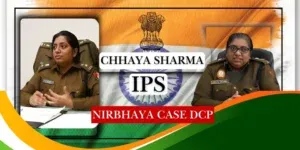
The Indian Police Service carries wide responsibilities involving leadership, administration, public safety, investigation, coordination, and professional supervision across different policing environments. officersdetails.com can help readers explore IPS officers, their career paths, training, postings, leadership responsibilities, public service roles, and the wider structure of police administration. An IPS officer may work in a district, specialized department, training institution, intelligence organization, or senior administrative position during different stages of service. Because these assignments can vary considerably, the daily work of one officer may look very different from another officer serving somewhere else. Field responsibilities can involve public interaction, crime prevention, investigation supervision, emergency response, traffic management, and maintaining public order during important events. Administrative roles may involve staffing, planning, policy implementation, resource management, reporting, and coordination with other departments. Technology has also changed modern policing because digital records, communication systems, forensic resources, mapping tools, and online services now support many police activities. However, technology cannot replace professional judgment, communication, or leadership when situations become complex. Officers continue working with citizens, police personnel, government officials, legal authorities, and community organizations. This makes communication one of the most important abilities within the service. An officer may need to explain a difficult decision, review a complicated report, guide a team, or coordinate several agencies during the same working period. Professional ethics also remain essential because police authority involves significant responsibility toward individuals and communities. Decisions should therefore remain connected with applicable law, established procedures, accountability, and public interest. Career development within the IPS can be diverse because officers may gain experience through several types of assignments and changing responsibilities. Each posting can bring new lessons about administration, leadership, investigation, community relationships, and organizational management. This variety requires adaptability because previous experience may not answer every problem in a new environment. Training provides a foundation, but practical experience gradually develops confidence and decision-making skills. Officers also need to continue learning as technology, crime patterns, administrative systems, and public expectations change. Understanding IPS work requires looking beyond uniforms and public appearances because much of the service happens through planning, supervision, reporting, coordination, and careful decision-making. Strong police administration depends on many ordinary responsibilities being handled properly every day. IPS officers help organize those responsibilities while leading teams toward public safety and effective service delivery.
Field Duties Build Professional Experience
Field postings can provide IPS officers with practical experience because they bring officers closer to communities, police stations, investigations, public events, and everyday administrative challenges. District responsibilities may involve reviewing crime information, supervising investigations, monitoring public order, communicating with local authorities, and addressing important community concerns. The work can change quickly because planned activities may be interrupted by emergencies or unexpected incidents. Officers therefore need to prioritize tasks while remaining calm under pressure. Local knowledge also matters because every district can have different geography, transportation systems, community concerns, and operational requirements. An approach that works effectively in one location may need adjustment somewhere else. Field experience helps officers understand those differences directly rather than relying only on written reports. Senior officers usually supervise teams instead of personally handling every individual matter. This requires clear delegation because personnel need to know their responsibilities and understand when issues require escalation. Reviewing reports and receiving updates allows senior officers to monitor progress without controlling every small activity. Field work also includes coordination with other government departments because public safety often intersects with transportation, health services, municipal administration, education, and emergency response. Major public events can require careful planning across several organizations before anything becomes visible to citizens. Resource allocation can become another responsibility because police units may face limitations involving personnel, vehicles, equipment, or specialized support. Officers need to decide where available resources can provide the greatest practical benefit. Community interaction can reveal concerns that may not appear clearly within formal records. Residents may report recurring problems or explain difficulties involving police services. Listening to those concerns can help officers understand how procedures are experienced at the local level. Officers may then improve communication or guide teams toward better service delivery. Field postings also provide opportunities to understand how government policies operate under real conditions. A process that appears simple on paper can become more complicated when resources, timing, or local circumstances change. Officers can identify those practical challenges and communicate them through appropriate administrative channels. Documentation remains important because significant actions and decisions require accurate records. Field experience therefore develops more than operational knowledge. It builds judgment, communication skills, organizational awareness, and an understanding of local public needs. These qualities can become valuable when officers later move into broader administrative or specialized roles. The field environment also teaches adaptability because situations rarely develop exactly according to the original plan. Officers learn to balance immediate action with longer-term responsibilities. This combination of practical exposure and administrative thinking creates an important foundation for later leadership within the service.
Police Leadership Needs Clear Direction
Leadership within police organizations requires clarity because senior officers may supervise large numbers of personnel working across different locations and responsibilities. An instruction that appears obvious to one person can become confusing when passed through several levels of an organization. Officers therefore need to communicate priorities, responsibilities, timelines, and expected results in understandable terms. Clear communication reduces duplicated work and helps personnel respond more confidently when situations change. Senior officers also need to listen carefully because field personnel often notice operational problems before those problems reach higher administrative levels. A station officer may identify recurring community concerns, while another employee may notice delays caused by limited resources. Good leaders create appropriate channels where such information can reach decision-makers. Listening does not mean accepting every suggestion automatically. It means recognizing that useful information can come from every level of an organization. Leadership also involves maintaining professional standards through supervision, training, review, and appropriate accountability. When mistakes occur, senior officers need to understand what happened rather than reacting only to the final result. Excessive blame can discourage people from reporting problems, while ignoring mistakes can allow those issues to continue. A balanced response addresses the immediate problem and examines whether procedures need improvement. Police work can involve demanding schedules and difficult situations, so team morale also matters. Fair treatment, clear expectations, professional recognition, and opportunities for development can support better performance. Senior officers need to understand how their own behavior influences the wider organizational culture. Calm communication during stressful periods can encourage similar behavior among subordinate personnel. Public communication can also become part of leadership during incidents receiving widespread attention. Officers may need to coordinate official information while ensuring that statements remain accurate and appropriate. Leadership extends beyond the police organization because public safety often requires cooperation with civil administration and other departments. Senior officers may participate in meetings where different agencies need to agree on responsibilities and resources. Delegation becomes increasingly important as officers move into more senior positions. A leader who attempts to personally manage every small decision can slow the organization and create unnecessary dependence on one individual. Strong leadership distributes responsibility while maintaining suitable oversight. Officers develop these abilities gradually through training, experience, feedback, and repeated exposure to complex situations. The role requires both confidence and humility because leaders need to make decisions while remaining open to useful information. Police leadership is therefore not simply about giving orders. It involves creating clarity, supporting personnel, reviewing performance, communicating responsibly, and building systems that help teams work effectively. These responsibilities become increasingly important as officers move into larger and more influential positions.
Community Relations Support Public Safety
Community relations matter because effective policing depends partly on communication and cooperation between police organizations and the people they serve. Citizens may provide information, report concerns, assist during emergencies, or help officers understand local problems that are not immediately visible through administrative records. IPS officers can influence these relationships through public meetings, local visits, awareness activities, complaint review, and supervision of police interactions. Respectful communication does not require officers to agree with every request from citizens. It requires listening carefully, explaining procedures, and treating people professionally. Communities can have different needs depending on geography, population, local activities, and existing public concerns. Officers need to understand these differences rather than assuming that one general approach will work equally well everywhere. Community contact can also reveal weaknesses in police services because residents may experience procedures differently from how administrators imagine them. A process can appear straightforward internally while remaining confusing for someone trying to access a public service. Feedback can help identify those gaps. Complaint systems provide another important connection because citizens need reasonable channels for raising concerns. Senior officers can review complaint patterns and determine whether problems appear isolated or recurring across the organization. Technology can support community relations through online reporting systems, official websites, helplines, public notices, and verified social communication. Digital tools can improve access, but they should not completely replace face-to-face interaction. Some people may have limited access to digital platforms or may communicate more effectively through direct contact. Inclusive public service therefore requires several communication methods. Schools, community groups, local organizations, and civic institutions can also become useful partners for awareness programs. These relationships can make police communication more familiar before serious situations occur. Public events provide additional opportunities for police personnel to interact with residents while managing safety requirements. Trust develops through repeated experiences rather than one official announcement. Citizens are more likely to cooperate when they believe procedures are consistent and concerns receive professional attention. Community trust does not remove the authority of law enforcement. Instead, it can make that authority easier to understand and cooperate with during difficult situations. Senior officers influence community relations through the standards they establish for subordinate teams. Professional treatment at the station level can shape how people view the wider institution. Public communication also matters during emergencies because clear instructions can reduce uncertainty and improve cooperation. Officers should therefore coordinate information carefully before releasing major updates. Community engagement is not merely a public relations activity. It can provide practical information, identify recurring concerns, and strengthen cooperation during everyday policing and emergencies. IPS officers can contribute to these outcomes through leadership, supervision, communication, and appropriate administrative planning. Strong community relationships support policing because public safety becomes easier when authorities and citizens understand one another better.
Investigations Demand Careful Oversight
Investigative work requires accuracy because officers must gather information, evaluate evidence, maintain records, communicate with relevant individuals, and follow applicable procedures throughout the process. IPS officers may supervise investigations without personally conducting every interview or reviewing every piece of evidence. Their role can involve checking progress, identifying delays, allocating resources, and ensuring that teams receive appropriate support. Modern investigations may involve physical evidence and digital information from phones, computers, cameras, and other connected systems. This increases the need for specialized technical knowledge and coordination between investigators and forensic personnel. Senior officers need enough understanding to supervise these activities effectively while allowing specialists to perform their designated responsibilities. Documentation remains essential because clear records provide a structured account of what has been done and what information has been established. Accurate records also support later review by courts and other authorized institutions. Investigators need to distinguish confirmed information from assumptions because early theories can sometimes influence later decisions unnecessarily. Careful oversight can help identify this problem before it affects the broader direction of a case. Interviews require professional communication because witnesses, victims, and other individuals may be experiencing difficult circumstances. Officers need to follow suitable procedures while collecting relevant information. Some investigations may involve several jurisdictions, creating additional coordination requirements. Senior leadership can help clarify responsibilities when different police units become involved. Resource planning also matters because investigators may require transportation, technical support, personnel, or specialized equipment. Training becomes increasingly important as investigative methods and digital environments continue changing. Officers may need updated knowledge about forensic practices, digital evidence, documentation standards, and emerging forms of criminal activity. Public communication around investigations requires additional caution because premature or unverified information can create confusion. Officials need to decide what information can appropriately be shared while the investigation remains active. Senior officers can also review patterns across separate cases because similar incidents may indicate broader issues that require organizational attention. Those patterns can influence resource allocation and operational planning. Investigation oversight therefore combines legal understanding with administrative organization and professional judgment. The senior officer’s contribution may happen largely through review meetings, reports, briefings, and coordination rather than constant presence at the investigation site. These activities can still strongly influence investigative quality. Good oversight creates accountability while giving investigators enough independence to perform their specialist work properly. Patience is another important quality because complex cases may require significant time and careful examination. Pressure for immediate conclusions can create risks when evidence remains incomplete. Senior officers therefore need to balance the demand for progress with the responsibility to maintain accurate and lawful procedures. Investigation is not simply about finding information quickly. It involves evidence, documentation, communication, coordination, and disciplined reasoning. IPS officers contribute by creating organizational conditions where those requirements can be managed consistently.
Technology Changes Police Administration
Technology has become increasingly important within police administration because digital systems can improve communication, record keeping, planning, investigation support, and access to information. Police organizations can maintain digital records that are easier for authorized personnel to retrieve than large collections of physical documents. Communication systems can help teams exchange information more quickly during routine activities and emergency situations. Mapping tools can support planning by helping officers understand geographic areas, routes, and resource locations. Forensic technology can assist investigations by providing specialized methods for examining different forms of evidence. Digital evidence has also become more relevant as modern devices contain information that may become important during investigations. Officers need appropriate procedures and technical knowledge when handling such information. Cyber-related cases create additional requirements because some incidents involve digital activity rather than traditional physical evidence. Specialized personnel may therefore become important within modern policing structures. Technology can also improve administrative services through online reporting channels, digital forms, document processing, scheduling systems, and internal communication platforms. These tools can reduce certain forms of paperwork and make information easier to organize. However, technology does not automatically make a process effective. Poorly designed systems can create confusion, while inaccurate information remains inaccurate even when displayed through sophisticated software. Human judgment remains necessary when interpreting data and deciding appropriate action. Senior officers should evaluate whether a technology provides genuine practical value before introducing it across a large organization. Training is important because personnel need to understand both the capabilities and limitations of new systems. Information security also matters because police databases may contain sensitive personal and investigative information. Access should remain controlled according to legitimate responsibilities and applicable rules. Backup systems can reduce disruption when technical failures occur. Police organizations should not assume that every digital service will remain available without interruption. Technology also needs to be integrated carefully because disconnected systems can force staff to enter the same information repeatedly. Better integration can reduce duplication and improve efficiency. IPS officers may not personally operate every technical tool, but senior leadership requires enough knowledge to supervise their effective use. Communication between technical specialists and operational officers becomes important when new systems are introduced. Technology should support police procedures rather than replace professional reasoning. The strongest tools usually reduce unnecessary work, improve information access, or make communication more reliable. Modern policing therefore combines field knowledge with increasing technological awareness. Officers need to understand where technology adds value and where human judgment remains essential. This balance allows organizations to adopt useful systems without becoming dependent on technology for every decision. As digital environments continue evolving, police leaders will need to keep learning and ensure their teams receive appropriate training.
Emergency Response Requires Preparation
Emergency response can place unusual pressure on police organizations because conditions may change rapidly while several agencies need to coordinate their actions. Large accidents, natural events, major public gatherings, fires, public disturbances, and other incidents can create sudden demands on personnel and resources. IPS officers may coordinate response teams, communicate with other authorities, review changing conditions, and allocate resources where they are most needed. Preparation becomes important because emergency decisions are easier when basic responsibilities have already been discussed. Police may need to work alongside medical services, local administration, transportation agencies, municipal teams, and other organizations depending on the incident. Each group can have different responsibilities that need to fit together clearly. Internal communication also matters because field personnel require updated instructions while senior officers need reliable information from different locations. Technology can support this through communication networks, maps, centralized information systems, and other operational tools. Backup arrangements remain necessary because technical systems can fail during difficult circumstances. Public communication becomes another responsibility because citizens may need information about routes, restrictions, safe locations, or available services. Officials should avoid presenting uncertain information as confirmed facts because confusion can spread quickly during emergencies. Clear instructions can improve cooperation and reduce unnecessary anxiety. Site visits and planning meetings can help identify logistical challenges before an event occurs. Emergency exercises can also give personnel an opportunity to practice responsibilities without facing an actual crisis. After an incident, structured review can identify what worked effectively and what needs improvement. These reviews can become valuable sources of organizational learning. Flexibility remains important because real emergencies rarely follow every detail of an original plan. A road may become unavailable, weather conditions may change, or the number of affected people may differ from initial estimates. Senior officers need to adjust resources while maintaining overall coordination. Leadership becomes especially important during such changes because several teams can become uncertain when instructions change quickly. Calm communication can help reduce unnecessary confusion. Documentation remains useful because decisions and lessons can be preserved for future planning. Emergency response is therefore more than reacting after an event begins. Much of the work involves preparation, coordination, communication, training, and resource planning beforehand. The public may only notice the visible response, while significant preparation has already happened through meetings and internal planning. IPS officers contribute by connecting different parts of that preparation and ensuring that responsibilities remain clear. Public safety can depend heavily on how well agencies cooperate under pressure. Strong emergency planning creates better conditions for that cooperation. It does not eliminate uncertainty, but it makes the organization more prepared to respond when circumstances become difficult. This is why emergency readiness remains an important part of modern police administration.
Career Growth Brings New Responsibilities
IPS careers can develop through several types of assignments because police organizations require leadership across field operations, specialized units, investigations, training, intelligence, administration, and senior management. An officer may begin in a role that provides direct exposure to district policing before later moving into assignments with broader responsibilities. Each transition can require new knowledge and different forms of professional judgment. A field posting may involve regular community interaction and close supervision of police stations, while a senior administrative role may focus more heavily on planning, staffing, policy implementation, and coordination. Specialized assignments can require deeper knowledge in particular areas such as investigation, training, intelligence, traffic management, or digital policing. This variety means officers do not necessarily follow identical career paths. Service requirements, available positions, experience, performance, and administrative decisions can influence assignments. Officers may also receive additional training when entering roles that require specialized knowledge. Transfers can create another challenge because an officer may need to understand unfamiliar regions, local concerns, working cultures, and administrative arrangements. Adaptability becomes important because the same leadership method may not work equally well everywhere. Officers need to understand local conditions while maintaining consistent professional standards. Career development also involves increasing responsibility because senior positions affect larger teams and broader public services. The nature of leadership therefore changes as officers move upward. Earlier roles may require more direct supervision, while later positions can depend more heavily on delegation and organizational planning. Experience from multiple postings can provide a broader understanding of how police systems operate across different environments. An officer who has experienced field challenges may understand administrative decisions differently when later working in a senior office. This broader perspective can strengthen decision-making. Professional development also includes learning from colleagues and reviewing past operational experiences. Officers can improve by studying what worked, what failed, and what should change in future situations. Public visibility varies between assignments, so not every important role receives media attention. Career quality should therefore not be judged only by public recognition. Professional conduct, responsibility, learning, leadership, and service contribution remain important measures. Officers also need to manage personal challenges associated with transfers, demanding schedules, and changing responsibilities. Long-term service requires resilience and the ability to maintain professional standards during different circumstances. A diverse career can provide valuable experience while also requiring repeated adjustment. The ability to adapt becomes a professional strength rather than simply a practical necessity. IPS career development is therefore about more than moving to a higher position. It involves expanding responsibility, gaining different experiences, learning new skills, and becoming capable of managing increasingly complex organizations. Each posting can contribute another layer of professional understanding.
Ethics Strengthen Police Credibility
Professional ethics are important within policing because officers exercise authority that can affect individuals, communities, investigations, and administrative decisions. Senior IPS officers influence these standards through their own conduct and through the systems they establish for subordinate teams. Personnel often notice how leaders respond to mistakes, complaints, difficult decisions, and professional disagreements. Consistent behavior from senior leadership can reinforce the importance of established procedures. Careless behavior at senior levels can create the opposite effect throughout an organization. Ethical conduct therefore begins with everyday decisions rather than only major public incidents. Documentation supports accountability because significant decisions should have appropriate records that can be reviewed when necessary. Police organizations also handle sensitive information, including personal records and investigative details. Access to such information should remain connected with legitimate duties and applicable rules. Technology has increased the amount of information available to police organizations, making responsible handling even more important. Officers need to understand that access does not automatically mean unrestricted use. Complaint systems also support ethical administration by giving people appropriate channels to raise concerns about police conduct or service. Those concerns should be handled through professional procedures rather than personal relationships. Fair treatment of police personnel matters as well because inconsistent management can damage morale and reduce trust inside teams. Discipline should be connected with clear standards and documented responsibilities. Leaders should also create environments where personnel can raise genuine concerns through appropriate internal channels. Early reporting can help organizations correct problems before they become more serious. Ethical leadership also influences communication with the public. Unverified claims or emotional statements can affect institutional credibility, especially during sensitive incidents. Officers should therefore encourage careful verification before important information becomes public. Public trust develops through repeated experiences rather than one carefully prepared speech. People may disagree with particular decisions while still believing that authorities acted through appropriate procedures. Fairness and accountability therefore become central parts of public confidence. Ethical leadership also matters during resource decisions because senior officers may need to determine where limited personnel and equipment should be directed. Decisions should remain explainable and connected with legitimate operational priorities. Professional ethics can become especially important under pressure because difficult circumstances can tempt people to ignore normal procedures. Established standards provide a structure for responsible action during such moments. IPS officers therefore carry responsibilities that extend beyond operational results. They shape the internal culture of police organizations through conduct, supervision, information handling, and communication. A strong ethical culture supports both personnel and the communities they serve. Credibility develops slowly through consistent behavior, while careless decisions can damage confidence quickly. Ethical leadership is therefore an ongoing responsibility rather than a one-time requirement.
Training Supports Better Performance
Training provides an important foundation for IPS officers because policing requires practical abilities that cannot be developed entirely through examination knowledge. Initial preparation includes areas such as law, investigation, public order, physical readiness, communication, administration, leadership, and police procedures. Classroom learning provides necessary concepts, while practical exercises help officers understand how those concepts operate under real conditions. Physical preparation remains relevant because some responsibilities may require endurance and the ability to function effectively in demanding environments. Communication skills are important because officers interact with citizens, police personnel, government officials, legal authorities, and community organizations. Investigation training helps officers understand evidence, documentation, case procedures, and professional responsibilities. Public order exercises can develop coordination and decision-making when several teams need to work together. Administrative training becomes increasingly important because senior police responsibilities involve staffing, planning, records, logistics, and organizational review. Training also helps officers understand the limits of their authority and the importance of following established procedures. Learning does not stop once initial training ends. Officers encounter new technologies, changing crime patterns, updated procedures, and different responsibilities throughout their careers. Specialized assignments may require additional preparation before officers take responsibility for particular departments. Experienced colleagues can also contribute valuable practical knowledge because real situations often contain complexities that written materials cannot fully capture. Officers need to understand not only what a procedure says but also how to apply it appropriately within specific circumstances. Decision-making training can help officers evaluate several possible actions while considering law, public safety, resources, timing, and likely consequences. Continuing education becomes particularly valuable when new forms of crime or technology appear. Senior officers also have responsibilities for developing the personnel they supervise. A police organization becomes stronger when employees receive opportunities to improve their professional abilities. Training should therefore be treated as an ongoing part of service rather than a single event early in a career. Regular assessments can identify areas where additional instruction is needed. Practical exercises can reveal weaknesses that classroom discussion does not always expose. Training can improve confidence without creating the belief that every situation can be predicted perfectly. Police work always contains uncertainty. Officers need preparation that helps them remain calm when plans need to change. Leadership training also becomes increasingly important as officers move into larger responsibilities. Senior roles require people management, delegation, communication, and broader organizational thinking. The ability to continue learning can become one of the most useful professional qualities in the service. IPS officers operate in an environment that keeps changing, making professional development a continuing responsibility. Strong training supports knowledge, discipline, judgment, communication, and adaptability. These abilities can then be strengthened through field experience and repeated responsibility. Professional readiness is therefore built gradually through education, practice, review, and continued learning.
Conclusion
IPS officers work within a broad public service system that combines policing, administration, investigation, community interaction, leadership, emergency coordination, technology, training, and professional accountability. Their responsibilities can change substantially across different postings, which means an officer may move from district-level field work into specialized investigation, training, intelligence, public order, or senior administrative assignments. Field experience helps officers understand local conditions and practical policing challenges, while later leadership positions require greater emphasis on planning, delegation, resource management, and organizational coordination. The ability to communicate clearly remains important throughout these changes because officers regularly interact with police personnel, citizens, government officials, and other public institutions.
Modern technology has expanded the tools available to police organizations through digital records, communication systems, forensic support, mapping, online services, and specialized investigative resources. These tools can improve efficiency, but they also create responsibilities around training, information security, access controls, and appropriate interpretation. Community relations remain important because public cooperation can support reporting, prevention, emergency response, and better understanding of local problems. Ethical leadership strengthens these relationships by encouraging professional conduct, accountability, careful information handling, and consistent procedures. Public communication also requires accuracy because official information can spread quickly through digital channels during sensitive situations.
Investigations demand careful oversight because evidence, documentation, specialist support, coordination, and lawful procedures all need to work together. Emergency response requires preparation because police may need to coordinate with several agencies while conditions change rapidly. Career development within the IPS brings new responsibilities and requires officers to remain adaptable when assignments change. Training supports this development by building knowledge, practical skills, communication ability, leadership, physical readiness, and professional judgment. Continued learning remains necessary because policing itself continues changing through technology, new forms of crime, and evolving public expectations.
The broader role of an IPS officer is therefore not limited to visible field activity. Much of the service involves planning, reviewing, supervising, coordinating, communicating, training, documenting, and creating systems that allow other personnel to perform their duties effectively. Strong police leadership requires a balance between authority and accountability, preparation and flexibility, technology and human judgment, and organizational efficiency and public responsibility. Officers develop these abilities through experience over time, and each posting can contribute another layer of professional understanding. For readers interested in IPS officers, police leadership, officer careers, training, postings, public safety, investigation, community relations, emergency response, police technology, professional ethics, and modern police administration, continue exploring dependable information and verified professional details. Explore more through officersdetails.com, learn about different IPS responsibilities and career paths, compare information carefully, and continue building a practical understanding of the service, leadership, and public duties associated with India’s senior police officers.
Read also :-