


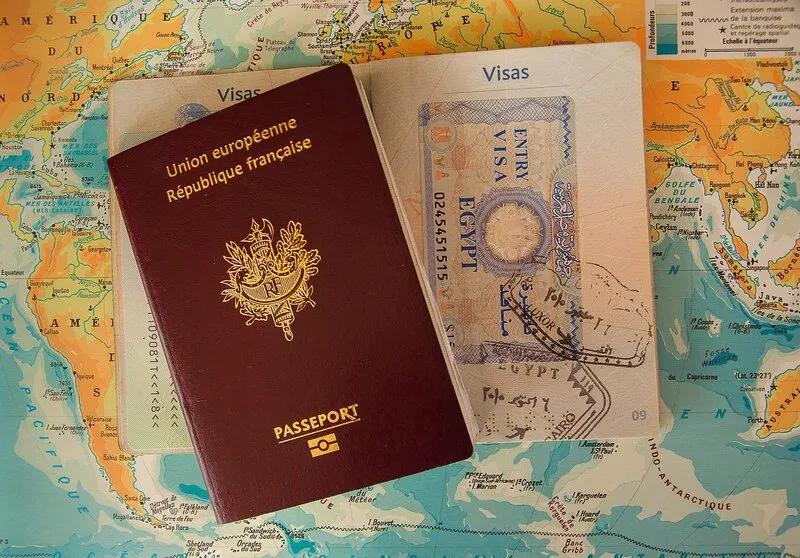
Digital nomad visas have revolutionized the way remote workers experience the world in 2026, turning what was once a legally gray area into legitimate long-term travel opportunities. When I first started working remotely five years ago, I bounced between countries on tourist visas, constantly worried about overstaying and dealing with the hassle of visa runs every few months. Last year, I finally applied for a proper remote work permit in Portugal, and the difference has been life-changing—I can focus on my work and enjoy living abroad without the constant anxiety about legal status.
The explosion of these specialized permits reflects a fundamental shift in how governments view remote workers. Countries that once saw location-independent professionals as visa-dodging tourists now recognize them as valuable contributors who spend money locally without taking jobs from residents. This recognition has spawned a competitive landscape where nations actively court remote workers through attractive visa programs designed specifically for this growing demographic.
The timing couldn’t be better for remote workers seeking international experiences. With over 60 countries now offering some form of remote work permit, the options have expanded dramatically from the handful available just three years ago. Whether you’re dreaming of Mediterranean beaches, Asian cities, Caribbean islands, or European capitals, there’s likely a program that fits your circumstances and preferences.
Understanding the Legal Framework and Benefits
These specialized permits exist in a unique category between tourist and work visas, addressing the reality that remote workers aren’t participating in the local labor market despite being economically productive. The distinction matters because traditional work visas require local employment, while tourist visas prohibit any work activity, leaving remote workers in an uncomfortable legal ambiguity.
The fundamental principle behind these programs is that you’re employed by a foreign company or work as a freelancer for foreign clients while residing in the host country. You’re not competing with local workers for jobs or requiring work authorization from local employers. This arrangement benefits everyone—you get legal residence, the host country gets your spending without employment obligations, and your employer maintains your services regardless of your physical location.
Duration varies significantly between programs, with some offering six-month permits while others extend to two years or more with renewal options. A software developer friend of mine started with a one-year permit in Estonia and has now renewed twice, essentially living there semi-permanently while working for a Canadian company. The flexibility to extend or transition to other visa types makes these programs stepping stones toward longer-term international living for many people.
Financial requirements form a key component of most applications, with countries setting minimum income thresholds to ensure applicants can support themselves without seeking local employment or public assistance. These thresholds range from around 1,500 to 4,000 dollars monthly depending on the country and cost of living. The requirements aren’t just arbitrary barriers—they protect both you and the host country by ensuring you have sufficient resources for your stay.
Tax implications require careful attention since spending significant time in a country often triggers tax residency. Understanding the tax treaties between your home country and host country prevents unpleasant surprises and potential double taxation. I learned this lesson the hard way during my first year abroad when I didn’t properly research tax obligations and ended up owing more than expected. Now I always consult with an international tax advisor before committing to any extended stay.
Comparing Top Destinations for Remote Workers
The landscape of available programs has matured beyond early adopters into a diverse ecosystem offering something for every preference and budget. Each destination brings unique advantages, challenges, and cultural experiences that extend beyond just visa logistics.
European options appeal to those wanting access to Schengen travel, rich history, and developed infrastructure. Portugal pioneered the modern remote worker visa movement and remains among the most popular choices, offering a pathway to permanent residence and relatively affordable living costs compared to other Western European nations. Spain recently launched its own program targeting the same demographic, though with slightly higher income requirements and different tax treatment.
Caribbean nations have positioned themselves as tropical paradises for remote workers, with Barbados, Antigua, and the Cayman Islands offering programs specifically designed around the beach-office lifestyle. A marketing consultant I know spent 18 months in Barbados and raved about the quality of life, though she admitted the isolation from major time zones occasionally complicated client meetings. The trade-off between paradise settings and practical considerations like time zones and internet reliability varies by island.
Latin American programs from countries like Costa Rica, Colombia, and Mexico combine affordable living costs with proximity to North American time zones, making them popular among US-based remote workers. The cultural richness, favorable climates, and welcoming attitudes toward foreigners create comfortable environments for extended stays. I spent six months in Mexico City and found the digital nomad community there incredibly supportive and the cost of living remarkably reasonable for such a vibrant major city.
Southeast Asian destinations including Thailand, Indonesia, and Malaysia offer some of the lowest costs of living combined with excellent infrastructure in major cities. The cultural experiences, food scenes, and climate attract many remote workers despite the significant time zone differences with Western clients. Thailand’s program has become particularly popular, though the visa requirements and renewal processes can be more bureaucratic than some Western alternatives.
Eastern European countries like Estonia, Croatia, and Georgia provide intriguing combinations of affordability, EU access (for Estonia and Croatia), and fast internet infrastructure. Estonia’s e-Residency program pioneered digital governance, and their remote worker visa reflects that innovative approach. Tbilisi, Georgia has developed a thriving remote worker scene with incredibly low costs and a surprisingly cosmopolitan atmosphere.
Navigating the Application Process Successfully
Understanding the application requirements and process before starting prevents frustration and increases approval likelihood. While specifics vary by country, certain patterns emerge across most digital nomad visas that applicants should prepare for in advance.
Documentation requirements typically include proof of employment or self-employment demonstrating you work remotely for foreign entities. Employment letters from companies, client contracts for freelancers, or business registration documents all serve this purpose. The key is clearly showing your work doesn’t require local employment authorization and won’t displace local workers.
Income verification through bank statements, tax returns, or certified financial documents proves you meet minimum thresholds. Some countries accept monthly income statements while others require showing accumulated savings. I recommend maintaining well-organized financial records for at least six months before applying to make this process smoother.
Health insurance coverage meeting local requirements protects both you and the host country from medical expense issues. Most programs specify minimum coverage amounts and require policies valid in the destination country. International health insurance designed for expatriates usually satisfies these requirements, though verifying specific policy acceptance before purchasing prevents problems.
Background checks and clean criminal records are standard requirements, typically necessitating police clearances from your home country or countries where you’ve lived recently. Processing times for these documents vary, so starting early prevents delays. Some countries also require health certificates confirming you don’t have communicable diseases of public health concern.
Application processing times range from a few weeks to several months depending on the country and time of year. Portugal’s program, for instance, has become so popular that processing times have extended significantly as authorities handle increased application volumes. Planning your timeline with buffer room for unexpected delays prevents stress and allows flexibility if things take longer than expected.
Remote application options have become more common post-pandemic, with many countries allowing online submissions or applications through consulates rather than requiring in-country presence. This flexibility lets you prepare and submit applications before committing to travel, reducing uncertainty about approval before booking flights and accommodation.
Managing Practical Considerations and Daily Life
Securing the visa represents just the first step toward successful long-term remote living abroad. The practical realities of daily life, work logistics, and cultural adaptation determine whether your international experience thrives or frustrates.
Internet connectivity reliability matters enormously when your livelihood depends on online work. Major cities typically offer excellent infrastructure, but research specific neighborhoods before committing to housing. I always book short-term accommodation first and test internet speeds before signing longer leases after learning this lesson the hard way in a beautiful apartment with frustratingly unreliable WiFi.
Time zone management becomes a daily consideration when your clients or employer operate in different zones. Working with US companies from Europe means evening meetings, while working with Asian clients from Latin America might require very early mornings. Some remote workers embrace these schedules as unique advantages—quiet morning work hours or peaceful evening productivity—while others struggle with feeling constantly out of sync with their home base.
Housing considerations differ significantly from short vacations since you’re establishing a home base for months or years. Furnished long-term rentals, co-living spaces designed for remote workers, and even purchasing property (where permitted) all present viable options depending on your timeline and preferences. The digital nomad community has spawned specialized housing platforms and Facebook groups making finding appropriate accommodation easier than ever.
Banking and financial logistics require planning since you’ll be spending in one currency while possibly earning in another. International bank accounts, multi-currency cards, and money transfer services minimize fees and exchange rate losses. I use a combination of a home country account for receiving income and a local account for daily expenses, transferring money periodically when exchange rates are favorable.
Healthcare access beyond just insurance coverage involves understanding local medical systems, finding English-speaking providers when necessary, and maintaining any ongoing treatments or prescriptions. Many countries with remote worker visas have excellent healthcare systems, sometimes offering better care at lower costs than US systems. Building relationships with local doctors and dentists creates continuity of care during your stay.
Cultural integration versus expat bubble dynamics represent personal choices that significantly impact your experience. Some remote workers primarily socialize within international communities, while others actively pursue language learning and local friendships. Neither approach is wrong, but being intentional about the type of experience you want prevents dissatisfaction with ending up in a different scenario than you envisioned.
Addressing Common Concerns and Misconceptions
The remote work visa landscape remains relatively new, creating confusion and misconceptions that prevent some people from pursuing opportunities they’d actually qualify for and enjoy. Addressing these concerns directly helps potential applicants make informed decisions.
Age restrictions exist for some programs but are less common than many assume. While certain visas explicitly target younger demographics, most have no age limits and welcome applicants of any age who meet financial and employment requirements. I’ve met remote workers in their 60s thriving under these programs, so don’t let age concerns prevent exploring options.
Family inclusion varies by program, with some allowing spouses and dependents while others only cover the primary applicant. For remote workers with families, this consideration becomes crucial during country selection. Portugal and Spain, for instance, have family-friendly provisions, while some Caribbean programs focus primarily on individual applicants.
Employment restrictions typically prohibit working for local companies or taking local jobs but don’t prevent having multiple remote clients or changing foreign employers during your stay. The flexibility to adjust your work situation while maintaining valid immigration status provides security compared to tourist visas that prohibited work entirely.
Permanent residence pathways exist in some countries where remote work visas serve as stepping stones toward permanent status. Portugal explicitly structures their program to potentially lead to permanent residence after five years, while other countries offer remote work permits without permanent residence options. Understanding whether a program offers long-term potential matters for those considering indefinite international living.
Dual intent concerns about whether applying for these visas affects future tourist visits or other visa applications generally shouldn’t be an issue. Digital nomad visas are legitimate immigration categories, and using them properly demonstrates respect for immigration law rather than creating negative immigration history. That said, consulting with immigration professionals about specific situations provides peace of mind regarding potential complications.
Building Community and Professional Networks Abroad
The rise of remote work visas has spawned vibrant international communities of location-independent professionals, creating valuable networks that enhance both personal and professional aspects of the experience. Tapping into these communities transforms isolated remote work into rich social experiences.
Co-working spaces serve as central hubs where remote workers gather, network, and often form lasting friendships. These spaces offer more than just desks and WiFi—they provide community, professional connections, and social events that combat the isolation that can accompany remote work. I’ve found some of my best freelance collaborators and closest friends through co-working spaces in different cities.
Digital nomad meetups and social events happen regularly in most cities with significant remote worker populations. Facebook groups, Meetup.com, and specialized platforms like Nomad List help you find these gatherings. Attending welcome events when you first arrive accelerates community integration and provides valuable local knowledge from experienced residents.
Professional networking opportunities emerge naturally when you’re surrounded by diverse international professionals. Collaborative projects, skill sharing, and even business partnerships often develop within these communities. A designer friend met her current business partner at a digital nomad meetup in Bali, and they’ve been running a successful agency together for three years.
Online communities specific to certain locations provide ongoing support, practical advice, and social connection. These groups answer questions about everything from where to find specific groceries to how to navigate local bureaucracy. The collective knowledge of hundreds of people who’ve navigated the same challenges you’re facing proves invaluable repeatedly throughout your stay.
Language exchange opportunities abound when you’re motivated to learn local languages and locals want to practice English. These mutual teaching relationships create meaningful connections while developing valuable language skills. Even basic local language ability dramatically improves daily life quality and demonstrates respect for host cultures.
Planning for Health, Insurance, and Emergency Situations
While exciting and rewarding, long-term international living requires preparation for potential challenges ranging from minor inconveniences to serious emergencies. Proper planning provides peace of mind and practical solutions when issues arise.
Comprehensive health insurance beyond minimum visa requirements protects against catastrophic medical expenses and provides access to quality care. International health insurance policies designed for expatriates typically offer better coverage than travel insurance and include features like direct billing at hospitals, medical evacuation, and worldwide coverage including home country visits.
Emergency fund maintenance becomes even more important when living abroad since unexpected situations might require expensive solutions like emergency flights home or temporary hotel stays if housing situations fall through. I maintain an emergency fund covering at least three months of expenses plus a one-way flight home, providing security to handle most unexpected situations.
Document security and backups prevent disasters if passports, visas, or important paperwork are lost or stolen. Keeping digital copies in secure cloud storage, leaving copies with trusted contacts at home, and photographing all important documents creates multiple backup layers. Knowing where your country’s embassy or consulate is located and having their contact information saved provides a resource during serious problems.
Communication plans for staying in touch with family, employers, and clients matter more when you’re in different time zones or countries with different communication infrastructure. Ensuring you have reliable ways to make calls, send messages, and conduct video meetings prevents work disruptions and maintains important personal connections.
Legal support resources including knowledge of local laws, understanding your rights as a visa holder, and having access to legal counsel if needed protects you in unfamiliar legal systems. Many expat communities maintain lists of English-speaking lawyers who specialize in helping foreigners navigate local legal issues.
Maximizing the Experience While Maintaining Productivity
Successfully balancing the adventure of international living with the professional demands of remote work determines whether your nomadic experience thrives or becomes stressful. Intentional strategies help maintain both productivity and life satisfaction.
Routine establishment despite changing environments provides stability that supports consistent work performance. Maintaining regular working hours, creating dedicated workspace, and preserving productive habits prevents the chaos of constant newness from disrupting professional output. I’ve learned that my productivity actually improves abroad when I establish routines quickly rather than treating each day as a vacation.
Work-life boundaries require conscious attention when your location itself feels like a holiday destination. The temptation to explore constantly can lead to burnout or work neglect, while becoming too work-focused wastes the opportunities that motivated moving abroad initially. Scheduling specific exploration time and protecting work hours creates balance.
Slow travel approaches where you stay in locations for months rather than weeks allow deeper experiences and more stable work routines. Constantly moving between cities creates logistics challenges and prevents building local connections that enrich the experience. Most successful long-term remote workers I know favor slower movement, really getting to know each place they inhabit.
Professional development continuation ensures your career advances despite being abroad. Remote courses, virtual conferences, and online networking maintain your skills and industry connections. Some remote workers even find international living accelerates their careers by providing unique perspectives and experiences that differentiate them professionally.
Reflection and assessment of what’s working and what isn’t helps you continually improve your approach. Regular check-ins about productivity levels, happiness, social connection, and whether current arrangements serve your goals enables course corrections before small issues become major problems.
The opportunity to live and work internationally while maintaining your career represents a historical anomaly that previous generations couldn’t access. Digital nomad visas have legitimized and simplified this lifestyle, removing legal barriers that once made long-term international remote work complicated and risky. Whether you’re considering a few months abroad or planning indefinite international living, understanding the visa landscape, practical realities, and community resources enables you to pursue these experiences confidently and legally.
Read also :-
puog5.4.15.0 model price
photoacompn
how dk380c4.0-h8 model size
kezih021.45