


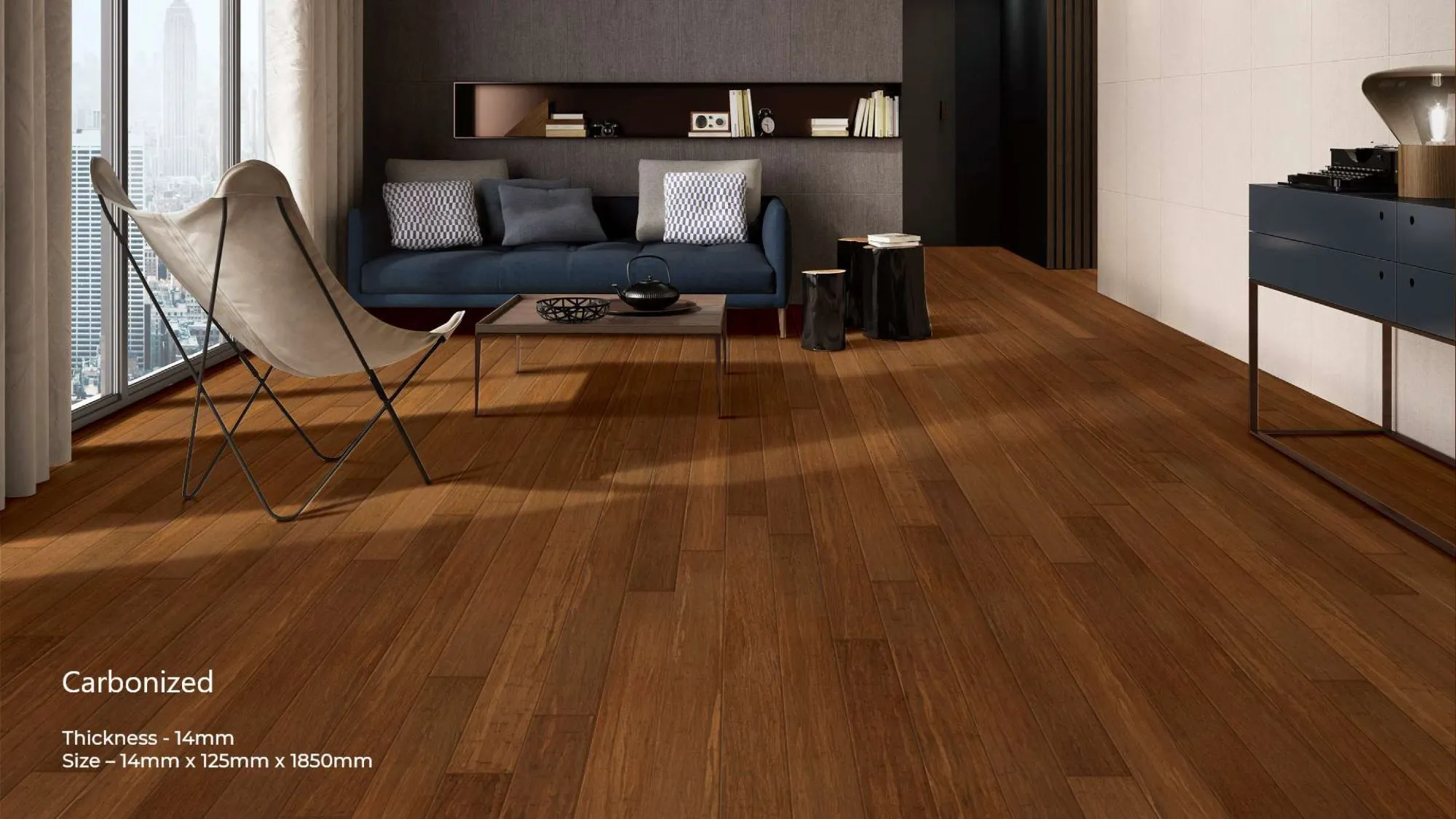
Eco friendly bamboo flooring has quickly become one of the most popular flooring choices for homeowners who want beauty, durability, and sustainability in one package. As more people look for greener living solutions, bamboo flooring stands out as a renewable material that brings natural warmth and modern style to any home.
Imagine walking into a living room with warm, natural-toned flooring that feels smooth under your feet and instantly creates a calming atmosphere. Many homeowners today are choosing bamboo not only because it looks elegant but also because it supports environmentally responsible living.
Unlike traditional hardwood floors that take decades to mature, bamboo grows incredibly fast. Some species can reach maturity within five years, making it one of the most renewable flooring materials available. This rapid growth cycle is the main reason eco-conscious homeowners are turning toward bamboo flooring.
Why Sustainable Flooring Matters Today
Modern homes are no longer designed only for appearance. Sustainability now plays a major role in home improvement decisions. From energy-efficient lighting to recycled building materials, homeowners want solutions that reduce environmental impact.
Flooring is a major component of any home renovation. Traditional hardwood flooring often requires cutting mature trees that may take 40–80 years to grow. This contributes to deforestation and environmental imbalance.
Bamboo, however, regenerates naturally after harvesting without needing replanting. The root system stays intact, allowing the plant to grow back quickly. Because of this unique property, bamboo is considered one of the most sustainable materials used in construction and interior design today.
Homeowners who install bamboo flooring often appreciate the fact that they are making a responsible environmental choice while still achieving a luxurious interior look.
What Makes eco friendly bamboo flooring Truly Sustainable?
The sustainability of bamboo flooring comes from several important characteristics. Bamboo grows rapidly, absorbs large amounts of carbon dioxide, and produces more oxygen than many tree species. These environmental benefits make it a preferred material in green construction projects.
Manufacturers typically harvest bamboo without killing the plant. After cutting the stalks, new shoots grow naturally from the same root system. This means the ecosystem remains largely undisturbed.
Another factor contributing to sustainability is efficient production. Bamboo stalks are sliced, processed, compressed, and engineered into strong planks that resemble hardwood flooring. With modern manufacturing technology, bamboo floors can achieve impressive strength and durability.
Many reputable flooring manufacturers also follow environmentally responsible practices, such as low-VOC adhesives and eco-friendly finishing techniques. These processes help maintain better indoor air quality, making bamboo flooring safer for families.
Types of Bamboo Flooring Available
When people first hear about bamboo flooring, they often imagine a single type of material. In reality, bamboo flooring comes in several different forms, each offering unique characteristics and performance levels.
Horizontal bamboo flooring is one of the earliest styles introduced to the market. It shows the natural bamboo grain clearly, creating a distinctive pattern that many homeowners love. This option highlights the organic appearance of bamboo stalks.
Vertical bamboo flooring features a more uniform look. The bamboo strips are arranged vertically, producing a cleaner and more linear grain pattern. This style works well in modern homes that emphasize minimalism and symmetry.
Strand-woven bamboo flooring is considered the strongest option available. The bamboo fibers are compressed under high pressure, creating an extremely dense material. This version often surpasses many hardwood floors in hardness and durability.
Because of these options, bamboo flooring can complement both traditional and contemporary interior styles.
The Durability of Bamboo Floors
Many people wonder whether bamboo flooring is strong enough for busy households. The answer depends largely on the manufacturing process and the specific type of bamboo used.
Strand-woven bamboo flooring is known for its exceptional strength. It is often harder than oak or maple, making it highly resistant to dents and everyday wear. This makes it an excellent choice for living rooms, hallways, and other high-traffic areas.
Durability also depends on proper installation and maintenance. A professionally installed bamboo floor with a high-quality protective finish can last decades with minimal upkeep.
Homeowners who maintain their floors by sweeping regularly and avoiding excessive moisture typically enjoy long-lasting performance.
Design Styles That Work with Bamboo Flooring
Bamboo flooring is remarkably versatile in interior design. Its natural tones range from light honey shades to deeper caramel hues, allowing it to blend seamlessly with many décor styles.
In modern homes, lighter bamboo floors create an open and airy atmosphere. They reflect natural light beautifully and help rooms appear larger and brighter.
In rustic or farmhouse interiors, darker bamboo finishes add warmth and character. Paired with wooden furniture and earthy textures, bamboo flooring can create a welcoming and comfortable environment.
Many interior designers appreciate bamboo because it complements a wide range of materials including stone, glass, and metal. This flexibility makes it a favorite option in contemporary architecture
Installation Process and What Homeowners Should Expect
Installing bamboo flooring is similar to installing traditional hardwood flooring. Depending on the product type, it can be nailed, glued, or installed as a floating floor system.
Floating bamboo floors are especially popular among DIY homeowners. These planks typically feature click-lock systems that allow them to snap together easily without nails or glue.
Professional installers usually begin by preparing the subfloor. It must be clean, dry, and level to ensure proper installation. A moisture barrier may also be added in areas prone to humidity.
Once installed, bamboo floors provide a smooth and seamless appearance that instantly enhances the visual appeal of any room.
Maintenance Tips for Long-Lasting Bamboo Floors
Maintaining bamboo flooring is relatively simple compared to many other flooring materials. Regular sweeping or vacuuming helps remove dust and debris that may cause scratches.
Occasional damp mopping with a manufacturer-approved cleaner keeps the floor looking fresh and polished. However, excessive water should always be avoided since moisture can damage the material over time.
Furniture pads placed under chairs and tables can prevent surface dents and scratches. Area rugs are also helpful in high-traffic spaces like entryways.
With proper care, bamboo flooring maintains its beauty and durability for many years.
Cost Considerations and Long-Term Value
One reason homeowners consider bamboo flooring is its affordability compared to certain hardwood options. While prices vary depending on quality and brand, bamboo flooring generally falls within a mid-range budget category.
Entry-level bamboo flooring may cost less than premium hardwood floors, while high-end strand-woven bamboo can be priced similarly to luxury wood options.
However, the real value of bamboo flooring lies in its durability and sustainability. Because it lasts for many years and requires minimal maintenance, many homeowners find it to be a worthwhile investment.
Additionally, eco-conscious buyers often appreciate sustainable materials when purchasing homes, which may increase property appeal in the future.
Indoor Air Quality and Health Benefits
Flooring materials can significantly impact indoor air quality. Some synthetic flooring products release harmful chemicals into the air over time.
High-quality bamboo flooring typically uses low-VOC finishes and adhesives. This helps reduce indoor air pollution and creates a healthier living environment.
Families with children or pets often prefer flooring materials that do not emit strong chemical odors. Bamboo flooring offers a natural alternative that supports healthier indoor spaces.
In homes designed around wellness and sustainability, bamboo flooring fits perfectly into the overall concept.
Common Misconceptions About Bamboo Flooring
Despite its growing popularity, bamboo flooring is sometimes misunderstood. One common myth is that bamboo is simply a type of wood. In reality, bamboo is a grass species, which explains its rapid growth and renewability.
Another misconception is that bamboo floors are weak or fragile. Modern manufacturing techniques have improved the strength of bamboo flooring significantly, especially with strand-woven products.
Some people also believe bamboo flooring cannot handle moisture. While it is not waterproof, properly sealed bamboo floors perform well in most indoor environments when maintained correctly.
Understanding these facts helps homeowners make more informed decisions when choosing flooring materials.
Why eco friendly bamboo flooring Is Gaining Global Popularity
Across the world, homeowners, architects, and interior designers are embracing eco friendly bamboo flooring as a stylish and sustainable alternative to traditional hardwood. Its rapid renewability, modern appearance, and impressive durability make it suitable for both residential and commercial spaces.
Green building certifications and environmentally responsible construction practices have also encouraged the use of bamboo flooring. Many sustainable architecture projects now include bamboo as a key material.
In addition to environmental benefits, bamboo flooring offers timeless design appeal. Whether used in cozy apartments, modern offices, or luxury homes, bamboo floors provide a natural elegance that enhances interior spaces.
Final Insight on Sustainable Home Design
Choosing the right flooring is more than a design decision. It reflects how homeowners approach sustainability, comfort, and long-term value in their living spaces.
By selecting materials that regenerate quickly and require fewer natural resources, homeowners contribute to responsible environmental practices. Bamboo flooring represents one of the most practical examples of how sustainable materials can still deliver beauty and durability.
For those planning a renovation or building a new home, bamboo flooring offers an opportunity to combine natural aesthetics with environmentally conscious living. When installed and maintained properly, it continues to deliver comfort, performance, and timeless style for many years.
Read also:-
