


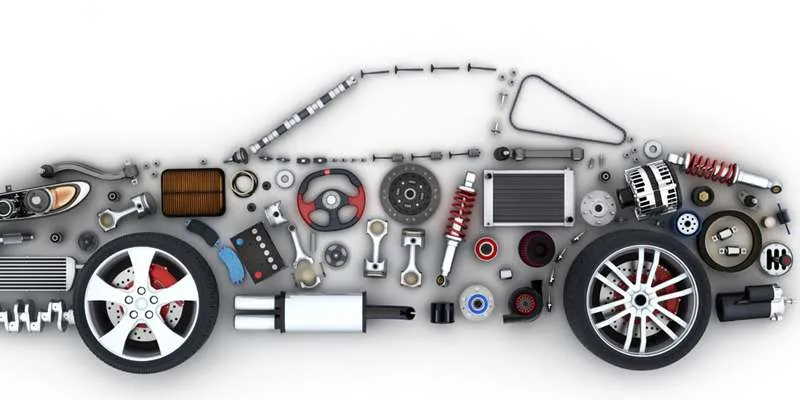
Genuine OEM auto parts are often discussed in workshops and service centers, yet many car owners do not fully understand why they matter so much. When a vehicle needs a replacement component, the decision made at that moment can affect performance, safety, resale value, and long-term costs. The difference between original and non-original parts is not always visible, but it is often felt over time.
Imagine a car owner who replaces a worn suspension component with a cheaper alternative. Initially, the ride feels fine. Months later, uneven tire wear appears, handling becomes unpredictable, and additional repairs follow. These situations highlight why part quality is not just a technical choice but a practical one.
Understanding original equipment manufacturing helps drivers make informed decisions that protect both their vehicles and their peace of mind.
What Does OEM Really Mean in the Automotive World
OEM stands for Original Equipment Manufacturer. These are the same manufacturers that produce components used during the vehicle’s original assembly. When a car rolls off the production line, every nut, sensor, and module meets specific design and quality standards set by the automaker.
OEM parts are engineered to fit and function exactly as intended. They are tested alongside the vehicle during development, ensuring compatibility with surrounding systems. This precision reduces the risk of premature wear or performance issues.
For car owners, choosing OEM means maintaining the vehicle’s original engineering integrity rather than introducing unknown variables.
How Genuine OEM Auto Parts Differ from Aftermarket Alternatives
Aftermarket parts are produced by third-party companies. Some are well-made, while others focus primarily on reducing cost. The challenge is that quality varies widely, and compatibility is not always guaranteed.
OEM components follow strict specifications for materials, tolerances, and durability. These standards are enforced consistently across production batches. In contrast, aftermarket parts may prioritize flexibility across multiple models, sometimes compromising precision.
Experienced mechanics often note that fitment issues, warning lights, or noise problems are more common with non-OEM replacements. These issues may not appear immediately but surface over time.
Why Automakers Recommend Genuine OEM Auto Parts
Vehicle manufacturers design systems to work together seamlessly. Modern cars rely heavily on electronics, sensors, and software calibration. OEM parts integrate smoothly into these systems without triggering errors.
Automakers also base warranties and service recommendations on the assumption that original components are used. Replacing critical parts with non-OEM alternatives can sometimes affect warranty coverage or service outcomes.
This is why authorized service centers consistently emphasize the importance of using factory-approved components for repairs and maintenance.
Real-Life Example from a Workshop Floor
A senior technician once shared a story about two identical vehicles that came in for brake replacements. One owner chose OEM brake components, while the other opted for cheaper alternatives. Initially, both vehicles performed similarly.
After a year, the car with aftermarket brakes returned with complaints of vibration and noise. The OEM-equipped vehicle showed normal wear and consistent braking performance. The cost difference upfront was small, but the long-term outcome clearly favored original parts.
Stories like these are common in service centers and reinforce the practical value of OEM choices.
Safety Considerations and Genuine OEM Auto Parts
Safety systems depend on precision. Components like airbags, braking systems, steering assemblies, and sensors must perform flawlessly under stress. OEM parts undergo extensive testing under extreme conditions.
Using non-certified components in critical systems increases uncertainty. Even slight deviations in material quality or design can affect response times and durability.
For drivers, safety is not an area where experimentation pays off. OEM components provide confidence rooted in engineering and testing rather than assumptions.
Performance and Driving Experience
Driving feel is shaped by countless components working in harmony. Suspension geometry, engine response, transmission behavior, and braking feedback are all calibrated using original parts.
When OEM components are replaced with alternatives, subtle changes can occur. Handling may feel less predictable, acceleration slightly uneven, or braking response inconsistent.
Car enthusiasts and long-term owners often notice these differences quickly. Maintaining original performance is one of the strongest reasons drivers return to OEM solutions.
Longevity and Durability of OEM Components
OEM parts are designed with vehicle lifespan in mind. Materials are selected to withstand specific operating conditions, from heat cycles to vibration and load stress.
Cheaper alternatives may use different alloys, plastics, or coatings. While they may function initially, their wear rate can be higher. This leads to more frequent replacements and higher overall costs.
Long-term durability is where OEM parts often justify their price through reduced maintenance and fewer surprises.
Impact on Vehicle Resale Value
Resale value is influenced by maintenance history. Buyers and dealers often ask whether repairs were done using original components. A service record showing OEM usage signals responsible ownership.
Vehicles maintained with OEM parts tend to retain value better because buyers trust the integrity of the car. They are less concerned about hidden issues caused by incompatible or low-quality components.
For owners planning to sell or upgrade in the future, this consideration alone can justify OEM choices.
Warranty Protection and Compliance
Many vehicle warranties specify the use of approved components for certain repairs. While laws in some regions allow aftermarket parts, disputes can arise if a failure is linked to non-OEM replacements.
OEM components remove ambiguity. They align with manufacturer guidelines and simplify warranty claims when issues occur.
This clarity reduces stress for owners and ensures smoother interactions with service providers.
Availability and Traceability of Genuine OEM Auto Parts
OEM parts come with traceability. Packaging, part numbers, and documentation confirm authenticity. This traceability protects buyers from counterfeit products, which remain a concern in many markets.
Authorized dealers and certified distributors follow controlled supply chains. This reduces the risk of receiving substandard or fake components.
For consumers, knowing exactly what is being installed in their vehicle builds trust and confidence.
The Role of Expertise in Choosing the Right Parts
Experienced mechanics understand where OEM parts matter most. While some non-critical items may tolerate alternatives, others demand factory precision.
Trusted professionals often advise OEM usage for engine components, electronics, suspension, and safety systems. Their recommendations are based on years of hands-on experience rather than theory.
Listening to expert guidance helps car owners avoid costly trial-and-error decisions.
Cost Perspective and Long-Term Value
OEM parts are often perceived as expensive. However, cost should be evaluated over the vehicle’s lifespan rather than at the moment of purchase.
Frequent replacements, additional labor, and secondary damage caused by poor-quality parts increase total expenses. OEM components reduce these risks through consistency and reliability.
When viewed from a long-term perspective, original parts often provide better value rather than higher cost.
Genuine OEM Auto Parts in Modern Vehicles
Modern vehicles are more complex than ever. Advanced driver assistance systems, hybrid powertrains, and connected technologies rely on precise components.
Sensors and modules must communicate accurately with vehicle software. OEM parts are designed and coded for this purpose, minimizing compatibility issues.
As automotive technology evolves, the importance of original components continues to grow.
Trust, Authority, and EEAT in Auto Parts Decisions
EEAT principles are especially relevant in automotive care. Experience comes from real-world performance, expertise from engineering and diagnostics, authority from manufacturers and certified technicians, and trust from consistent results.
OEM parts embody these principles. They are backed by automakers, tested under controlled conditions, and validated through years of use.
For consumers, this alignment offers reassurance in an industry where choices can feel overwhelming.
Counterfeit Risks and How OEM Parts Reduce Them
Counterfeit auto parts remain a global issue. These products often mimic branding but fail to meet safety standards. They can cause premature failure or even accidents.
OEM distribution channels include safeguards against counterfeiting. Verification systems and official documentation protect buyers.
Choosing original parts reduces exposure to these risks and ensures compliance with safety regulations.
Environmental Considerations and Manufacturing Standards
OEM manufacturers increasingly focus on sustainability. Production processes aim to reduce waste, improve efficiency, and comply with environmental regulations.
Parts are designed for optimal performance, which can contribute to better fuel efficiency and lower emissions. Poor-quality alternatives may compromise these benefits.
Responsible manufacturing practices add another layer of value to OEM components.
Genuine OEM Auto Parts and Long-Term Ownership Satisfaction
Drivers who consistently use original parts often report fewer unexpected breakdowns. Their vehicles feel predictable, reliable, and easier to maintain.
This satisfaction extends beyond mechanics. It influences daily driving confidence and overall ownership experience.
Knowing that the car is maintained according to manufacturer standards provides peace of mind that cannot be measured easily.
Decision-Making for First-Time Car Owners
New car owners may feel overwhelmed by maintenance choices. Understanding the role of OEM parts simplifies decisions.
Instead of comparing countless alternatives, owners can rely on factory recommendations. This approach reduces uncertainty during early ownership years.
Clear guidance builds confidence and encourages responsible maintenance habits.
Genuine OEM Auto Parts as an Investment, Not an Expense
Every replacement part contributes to the vehicle’s story. OEM components align with the original design philosophy of the car.
Over time, this consistency preserves performance, safety, and value. Short-term savings from cheaper options often fade when compared to long-term reliability.
By choosing Genuine OEM auto parts, owners invest in durability, trust, and a driving experience that remains true to the vehicle’s original promise.
Read also: