


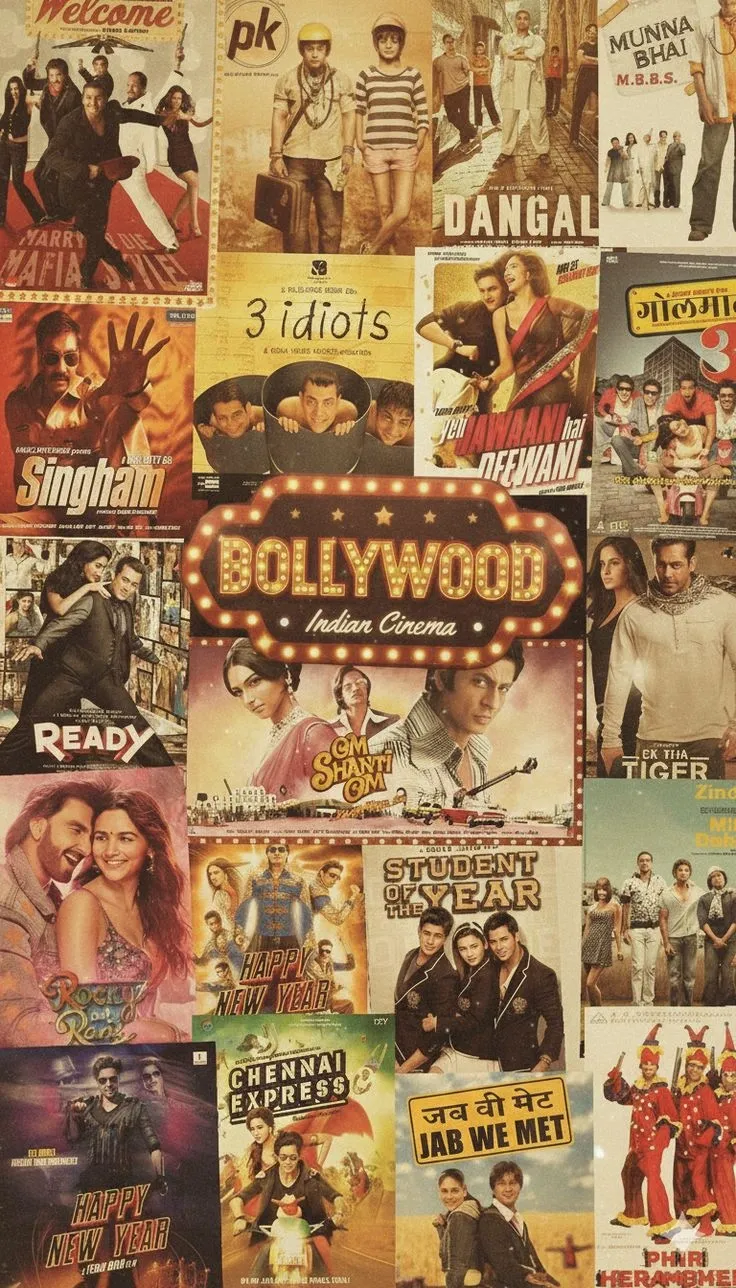
Entertainment keeps changing because audiences are no longer limited to one screen or one type of content. People looking for broader entertainment ideas can explore scriptora.it.com while checking important news and public claims through dependable sources. A person can watch a movie on a television, discover a new actor through a short video, hear an unfamiliar song through a social post, and then search for an entire series within minutes. That kind of discovery was much slower in earlier years. Today, entertainment is connected to technology, social media, streaming, gaming, music platforms, podcasts, live events, and online communities. The choices are huge, which sounds great until someone spends twenty minutes scrolling without actually choosing anything. Creators face the opposite problem because they must compete for attention in an environment where thousands of new pieces of content appear constantly. Quality still matters, but presentation, timing, accessibility, and audience connection have become important too. Entertainment companies are also experimenting with different release methods, pricing models, advertising formats, and interactive experiences. Some trends disappear quickly, while others become part of everyday viewing habits. The interesting part is that audiences themselves now influence entertainment more directly. Comments, reviews, shares, fan communities, and online conversations can affect which movies, songs, creators, or shows receive additional attention.
Streaming Creates More Choice
Streaming services have made entertainment easier to access, but the abundance of options has created a different kind of problem for viewers. When hundreds of films and series are available, choosing one can sometimes feel harder than finding something to watch on traditional television. Recommendation systems try to solve this issue by studying viewing behavior and suggesting content that may match individual interests. These systems can be useful, although they may also encourage people to remain within familiar genres. Someone who regularly watches action films may receive endless action recommendations without discovering a quiet drama or documentary that could become a favorite. Streaming has also changed expectations around release schedules. Some viewers prefer complete seasons because they enjoy watching several episodes together, while others prefer weekly releases that give communities time to discuss each episode. Both methods have advantages. Weekly releases can create longer conversations, while full-season releases can provide greater freedom. International entertainment has benefited greatly because subtitles and dubbing make content accessible to audiences who would previously have struggled with language barriers. This has helped several regional productions reach viewers outside their original markets. Streaming is therefore not simply another place to watch content. It has changed how entertainment is discovered, discussed, scheduled, and remembered.
Films Still Attract Crowds
Cinema remains important despite the enormous growth of digital entertainment. A major film can still create excitement around theatrical release, especially when audiences want a large-screen experience with strong sound, visual effects, and shared reactions. Big releases often receive extensive promotional campaigns involving trailers, interviews, posters, music, and social media activity. Smaller films usually depend more heavily on reviews, festivals, recommendations, and targeted audiences. The difference between these approaches can be significant, but neither guarantees success. A heavily promoted movie can disappoint viewers, while a modest production can build strong attention through positive word of mouth. Film performance should also be understood beyond opening-day numbers. Some movies grow gradually because audiences recommend them to friends, while others become more popular after arriving on streaming services. Older films can also experience renewed interest when younger viewers discover them online. This gives movies a longer life than the original theatrical period alone. Actors and directors can similarly gain new audiences when previous work becomes easily available through digital platforms. Cinema therefore remains connected to the wider entertainment ecosystem rather than operating separately from it. Theatrical releases, streaming availability, social conversations, music, and fan communities can all influence how a movie performs over time.
Music Discovery Works Differently
Music discovery has become faster and more unpredictable because listeners can encounter songs through many different digital spaces. A person may find a track through a playlist, short video, gaming stream, creator recommendation, online discussion, or another artist’s collaboration. This means songs can gain attention without following traditional promotional routes. Independent musicians now have more opportunities to publish their work directly and build audiences gradually. However, the same accessibility creates intense competition because listeners receive countless new tracks every day. Artists therefore need to think about music itself as well as presentation, identity, communication, and audience engagement. A catchy section can become popular online, but long-term listeners usually want more than one memorable moment. Artists who develop recognizable styles may find it easier to build lasting communities. Live performances also remain important because they provide experiences that digital listening cannot fully reproduce. Music festivals, concerts, local events, and small venue performances can help artists strengthen connections with listeners. Streaming numbers can provide useful information, but they should not be treated as the only measure of artistic value. A song with modest numbers may still have strong meaning for a smaller audience. Modern music success is therefore increasingly varied, with different paths available depending on genre, audience, location, and creative approach.
Television Finds New Formats
Television continues to adapt even though viewers have more alternatives than ever before. Traditional channels remain important for live events, regional programming, news, reality formats, and scheduled entertainment. Meanwhile, digital platforms have influenced how television-style programs are written and produced. Series can now contain longer story arcs, more detailed characters, and different episode structures because viewers can watch at their own pace. Reality programming has also evolved through competition formats, talent shows, lifestyle programs, and personality-driven series. Audience discussion can become part of the entertainment itself when viewers share opinions about contestants or episodes online. Producers often monitor public reactions because strong audience engagement can influence future programming decisions. Still, trying to satisfy every online reaction can create problems because audiences rarely agree completely. A program needs a clear identity rather than changing direction every time someone posts criticism. Television production also remains expensive, so companies need to balance creative ambition with realistic budgets. Good programming does not always require enormous spending. Strong concepts, capable performers, useful editing, and consistent presentation can create enjoyable experiences without relying entirely on spectacle. Television is changing, but its basic purpose remains familiar. People still want something interesting enough to make them pause their daily routines and pay attention.
Creators Influence Popular Culture
Online creators have become powerful participants in entertainment because they can communicate directly with audiences without relying entirely on traditional media companies. Some focus on comedy, while others create gaming videos, interviews, commentary, music, lifestyle content, reviews, or short performances. Their biggest advantage is often the direct relationship with viewers. Audiences can comment, ask questions, share clips, and participate in livestreams. This creates a sense of community that can be difficult to reproduce through conventional entertainment. However, creator careers can also be demanding because audiences may expect constant uploads and personal interaction. Maintaining quality while publishing frequently can become exhausting. Platform algorithms add another uncertainty because changes in recommendations can suddenly affect how many people see a creator’s content. Building audiences across more than one platform can reduce some dependence, although it also requires additional time. Creators should also consider privacy and boundaries because public visibility can easily become excessive. Long-term creator success usually depends on trust, consistency, useful ideas, and the ability to adapt without losing a recognizable identity. The creator economy continues developing, and traditional entertainment companies increasingly collaborate with independent personalities because creators can bring established communities and different forms of audience engagement.
Comedy Finds Fresh Audiences
Comedy remains one of the most flexible forms of entertainment because it can work through films, television, stage performances, podcasts, short videos, and social platforms. Online distribution has allowed newer comedians to test ideas quickly and see which material connects with viewers. A short performance can attract attention without requiring a full television series or major production budget. However, comedy is strongly influenced by culture and context. Humor that works beautifully with one audience may receive a very different response somewhere else. Language, timing, local references, delivery style, and social expectations can all change how a joke is understood. Comedians also need to balance current topics with material that remains useful after a trend disappears. Internet culture provides endless subjects, but online trends can become outdated within days. Strong performers often develop recognizable voices rather than depending entirely on whatever topic happens to be popular that week. Comedy can also provide a way to discuss ordinary experiences that audiences immediately recognize. Workplace situations, family habits, friendships, relationships, technology problems, and everyday misunderstandings can all become entertaining when handled creatively. The format may change, but the basic appeal remains simple. People enjoy laughing when the material feels relevant, well timed, and genuinely entertaining.
Gaming Becomes Mainstream Entertainment
Gaming now sits comfortably alongside movies, television, and music as a major entertainment category. People do not only play games anymore. Many also watch livestreams, follow professional competitions, discuss game updates, collect related content, and participate in online communities. Esports has created professional environments where skilled players compete before large audiences. Streamers have also built careers by combining gameplay with commentary, humor, personality, and community interaction. Mobile gaming has expanded access further because smartphones allow people to participate without purchasing specialized equipment. Meanwhile, consoles and computers continue serving audiences interested in more complex gaming experiences. Game developers increasingly listen to player feedback because online communities can quickly identify technical issues, balance problems, or unpopular changes. Updates can extend the life of a game long after its original release. Monetization remains an important issue because players can react negatively when commercial features feel excessive or unfair. Developers therefore need to balance revenue goals with player expectations. Gaming communities can also become highly social, with friendships and groups developing around shared interests. This makes gaming more than a solitary activity for many people. It has become a broad entertainment ecosystem involving technology, competition, creativity, communication, and community.
Social Platforms Shape Attention
Social platforms have changed the speed at which entertainment spreads. A movie scene, music clip, interview comment, dance performance, or comedy moment can reach a large audience very quickly when people begin sharing it. This creates opportunities for creators and entertainment companies that previously needed substantial promotional resources to reach similar numbers. However, viral attention can be unpredictable. A clip may attract millions of views while the larger project receives little long-term interest. Businesses and creators should therefore distinguish between visibility and meaningful audience engagement. Social platforms also allow audiences to participate rather than simply consume. People create edits, reactions, memes, discussions, reviews, and fan content around entertainment releases. This user participation can keep a topic active long after the original release. At the same time, inaccurate claims can spread just as quickly as legitimate information. Entertainment audiences should therefore check original sources before accepting dramatic claims about celebrities, releases, or industry developments. Social media is useful for discovery, but it can also encourage fast reactions without much context. Successful entertainment promotion often works best when it gives audiences something genuinely interesting to discuss rather than simply repeating advertisements. The conversation itself has become part of modern entertainment marketing.
Celebrity News Needs Context
Celebrity coverage attracts attention because audiences naturally become curious about people whose work appears frequently in public entertainment. Actors, musicians, creators, directors, athletes, and television personalities can develop large audiences that follow both professional activities and public appearances. Digital platforms have made celebrity communication much more direct, with public figures sharing announcements, photographs, short videos, and project updates themselves. This can reduce dependence on traditional media for routine information. However, celebrity reporting also creates a strong need for accuracy because rumors can spread quickly. A claim repeated across several websites does not automatically become verified simply because many pages mention it. Readers should look for original interviews, official statements, verified social accounts, production announcements, or reputable reporting when a claim matters. Private matters should also be treated carefully because public interest does not automatically make every personal detail appropriate for publication. Entertainment writing becomes more useful when it separates confirmed facts from speculation. Career information such as upcoming projects, release dates, awards, performances, and professional announcements can usually be checked more easily. Responsible entertainment coverage should prioritize accuracy instead of exaggerated headlines. Audiences deserve interesting information without being deliberately misled.
Live Entertainment Still Matters
Digital entertainment has grown rapidly, but live experiences remain valuable because they create a sense of participation that recorded content cannot fully reproduce. Concerts, theater performances, comedy shows, festivals, fan events, and cultural programs bring audiences into the same physical space. The atmosphere becomes part of the experience. A live performance can also feel different each time because audience reactions and performer choices may change the energy of the event. Music concerts remain particularly strong examples of this connection. Fans may already know every song but still attend because hearing it live creates a different experience. Theater provides another form of entertainment where performers must respond directly to the room. Stand-up comedy similarly depends on audience timing and immediate reactions. Event organizers must pay attention to practical details such as venue capacity, ticketing, accessibility, safety, transportation, and crowd management. A great performance can still produce a poor experience if the surrounding organization is weak. Live entertainment therefore combines creative work with careful planning. Digital promotion can help audiences discover events, but the actual experience depends on what happens when people arrive and participate. That combination keeps live entertainment relevant even in a highly digital world.
Final Thoughts On Entertainment
Modern entertainment is less about one dominant format and more about several formats working together. Movies, television, music, gaming, live events, creators, comedy, and social platforms constantly influence one another, giving audiences more ways to discover and enjoy content.
The biggest challenge for creators is attention because viewers have countless alternatives available every day. Quality remains important, but consistency, originality, accessibility, honest communication, and audience understanding also matter. Trends can create useful opportunities, although long-term success usually requires something stronger than temporary popularity. For more entertainment ideas, industry discussions, audience-focused articles, and practical content, continue exploring reliable entertainment resources and official industry announcements. Always verify important claims about releases, public figures, and entertainment news through trustworthy sources before treating them as confirmed information.
Read also :-