


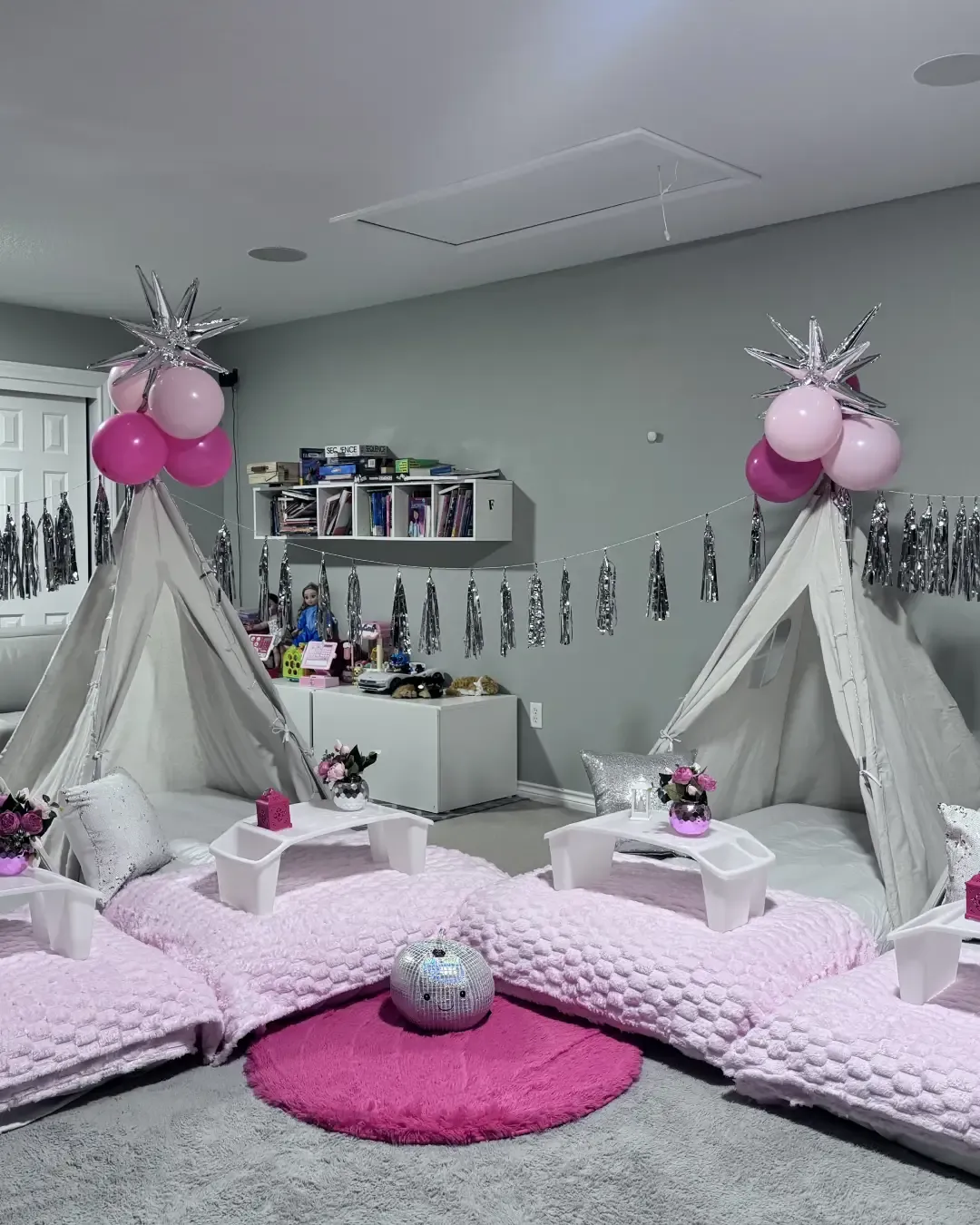
A sleepover that feels exciting to an eight-year-old may feel too structured to a twelve-year-old, while younger children may need more reassurance, earlier quiet time, and clearer parent communication. Before choosing decorations or activities, families should decide what kind of overnight experience suits the age group. A sleepover party rental near me can help create a themed sleeping environment, but the host still needs to plan supervision, routines, food, and expectations. Age-appropriate planning makes the event more comfortable for children and easier for parents to manage.
Decide Whether Everyone Is Ready to Stay Overnight
Some children love the idea of a sleepover but become uncomfortable when bedtime arrives. Younger guests may have little experience sleeping away from home.
Parents can ask invitees’ families about previous sleepovers and reassure them that pickup is always an option. Avoid framing an early pickup as failure. A child who wants to go home should be supported calmly.
Share the Basic Schedule With Parents
Before the event, provide the approximate start time, bedtime plan, morning pickup time, and the best contact number.
Families may also need to share information about allergies, medications, dietary restrictions, or other needs. Health-related instructions should come directly from the child’s parent or guardian rather than being guessed by the host.
Match Activities to Energy Levels
Younger children may enjoy structured crafts, movies, simple games, or themed activities. Older children may prefer more unstructured time to talk, listen to music, take photos, or choose their own entertainment.
Planning too many activities can make a sleepover feel rushed. Two or three options are usually enough to provide direction without controlling the entire evening.
Build the Sleeping Setup Around the Room
An enchanted bash party rental may include themed pieces that create a strong visual experience, but the room still needs safe walking paths and enough space for personal belongings.
Measure the floor before finalizing guest numbers. Sleeping areas should not block doors, stairs, or access to the bathroom. Keep overnight bags and shoes in defined locations rather than beside every mattress.
Decide How Late the Party Will Stay Active
A sleepover does not need a strict lights-out rule for every age group, but hosts should decide when loud activities stop.
Neighbors, siblings, and tired guests all benefit from a quieter period. A movie, music at lower volume, or conversation can create a natural transition toward sleep.
Plan Food in Stages
A sleepover often includes a meal, dessert, evening snacks, and breakfast. Serving everything at once can create unnecessary mess.
Keep later snacks simple and away from bedding. Water bottles or labeled cups can help reduce spills and confusion.
Think About Phones and Devices
For older children, parents may want to decide whether devices are unrestricted, stored at bedtime, or used only for certain activities.
There is no single rule that suits every family, but setting expectations before the party can prevent arguments late at night.
Create a Comfortable Option for a Child Who Needs Quiet
Not every child wants to participate in every activity. A small chair, quiet corner, or easy way to step away can help someone who feels overwhelmed.
This is especially useful in groups with mixed personalities and energy levels.
Plan the Morning Before the Night Begins
The morning can feel surprisingly busy when several children are packing at the same time. Labeling belongings and keeping each guest’s overnight bag near the sleeping area can make the final hour much calmer.
Set out breakfast supplies, know where bags will be packed, and decide how the room will be cleared before pickup.
A simple morning routine is usually better than another elaborate activity. Children may be tired, and parents appreciate predictable pickup.
Conclusion
Age-appropriate sleepovers depend more on expectations and comfort than elaborate entertainment. Hosts should consider overnight readiness, parent communication, activity style, quiet time, device rules, food, and the physical sleeping layout before invitations are finalized.
A themed setup can make the event feel special, but the practical plan determines whether children can relax and parents feel confident. When guests know what to expect and the host has prepared for different comfort levels, the sleepover can remain fun without placing pressure on every child to experience the night in exactly the same way.