


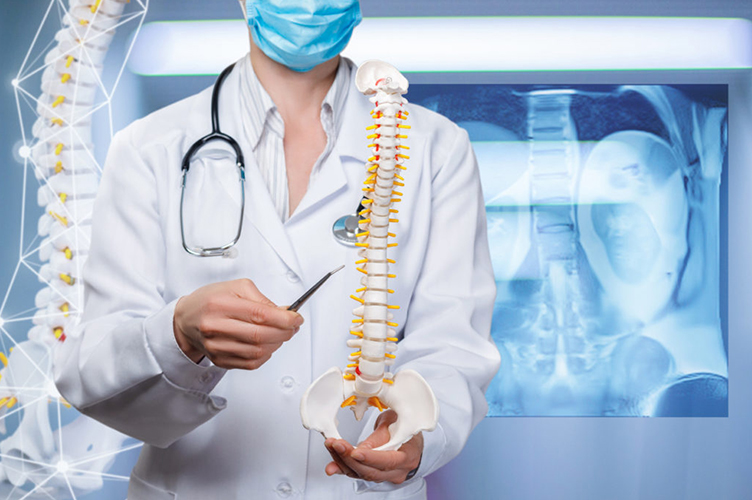
Spine surgery specialists play a vital role in diagnosing and treating complex spinal conditions that affect millions of people worldwide. Whether it’s chronic back pain, herniated discs, spinal stenosis, or traumatic injuries, the spine is central to almost every movement our body makes. When something goes wrong in this delicate structure, everyday tasks like walking, sitting, or even sleeping can become difficult.
In recent years, advancements in medical technology and surgical techniques have transformed the field of spine care. What once required large, invasive procedures can now often be treated through minimally invasive techniques. Patients today benefit from faster recovery times, improved outcomes, and more personalized treatment plans.
Behind these advancements are highly trained medical professionals who dedicate their careers to understanding the spine. Spine surgery specialists combine years of medical training, hands-on surgical expertise, and patient-centered care to help individuals regain mobility and quality of life.
Table of Contents
ToggleUnderstanding the Role of Spine Surgery Specialists
The spine is one of the most complex structures in the human body. It consists of vertebrae, discs, nerves, muscles, and ligaments that work together to support the body and protect the spinal cord. Because of this complexity, diagnosing spinal problems requires deep medical expertise.
Spine specialists typically come from orthopedic surgery or neurosurgery backgrounds. Both disciplines receive extensive training focused on the musculoskeletal and nervous systems. Over time, many surgeons further specialize in spinal procedures and treatments.
These specialists evaluate symptoms, review imaging results such as MRI or CT scans, and assess how a patient’s condition affects their daily life. Their goal is not simply to recommend surgery. In many cases, they begin with non-surgical treatments such as physical therapy, medication, or lifestyle adjustments.
When surgery becomes necessary, the specialist carefully designs a treatment plan tailored to the patient’s specific condition. This approach reflects the core principle of modern spine care: the right treatment for the right patient at the right time.
Common Conditions Treated by Spine Surgery Specialists
Back and neck pain are among the most common reasons people seek medical care. However, not all spinal problems require surgery. Specialists carefully evaluate each case before deciding on the most effective treatment.
One frequently treated condition is a herniated disc. This occurs when the soft cushion between vertebrae pushes outward and irritates nearby nerves. Patients often experience pain, numbness, or weakness that can travel down the arms or legs.
Another condition is spinal stenosis, which involves narrowing of the spinal canal. This can compress nerves and lead to symptoms such as pain, tingling, and difficulty walking. Degenerative disc disease, scoliosis, and spinal fractures are also common issues treated by experts in this field.
In many cases, patients arrive at the clinic after months or even years of discomfort. A skilled team of spine surgery specialists works not only to treat the physical condition but also to restore confidence and mobility for patients who may have struggled with long-term pain.
How Spine Surgery Specialists Diagnose Spinal Disorders
Accurate diagnosis is the foundation of effective spine treatment. Specialists use a combination of clinical evaluation, imaging technology, and patient history to identify the root cause of pain.
The diagnostic process often begins with a detailed consultation. Patients describe their symptoms, when the pain started, and what activities make it worse or better. This conversation helps physicians understand how the condition affects daily life.
Advanced imaging tools such as MRI scans provide detailed pictures of spinal structures. These images help specialists detect disc damage, nerve compression, or abnormalities in the vertebrae. CT scans and X-rays may also be used to assess bone structures and alignment.
Through careful analysis of these tests, doctors develop a clear understanding of the patient’s condition. This thorough approach ensures that treatment recommendations are based on reliable medical evidence rather than assumptions.
Modern Surgical Techniques Used by Spine Surgery Specialists
Spinal surgery has evolved dramatically over the past two decades. Traditional open surgeries required large incisions and lengthy recovery periods. Today, many procedures can be performed using minimally invasive techniques.
Minimally invasive spine surgery uses small incisions and specialized instruments to access the affected area. Surgeons often rely on high-resolution cameras and advanced imaging technology during the procedure. This allows them to perform delicate operations with greater precision.
For patients, the benefits are significant. Smaller incisions reduce muscle damage and blood loss, while shorter hospital stays allow individuals to return to daily activities sooner. Many people are surprised to learn that some spinal procedures now involve same-day discharge.
The expertise of spine surgery specialists is essential in these advanced procedures. Their training allows them to select the most appropriate surgical approach while minimizing risk and maximizing recovery outcomes.
When Surgery Becomes the Right Option
For many patients, the idea of spine surgery can feel intimidating. However, surgery is usually considered only after other treatments have failed to provide relief.
Physical therapy, anti-inflammatory medications, and lifestyle changes often help manage mild or moderate spinal issues. But when nerve compression or structural instability becomes severe, surgery may offer the best chance for long-term relief.
A patient experiencing severe nerve pain or progressive weakness may benefit significantly from surgical intervention. By removing pressure from affected nerves or stabilizing the spine, surgeons can restore function and prevent further complications.
This decision is never rushed. Specialists discuss potential risks, expected outcomes, and recovery timelines so patients can make informed choices about their health.
Patient-Centered Care and Trust in Spine Surgery
Medical expertise alone is not enough in spine care. Trust between doctor and patient plays a crucial role in successful treatment.
Spine conditions often affect a person’s ability to work, exercise, or participate in everyday activities. For many patients, pain can lead to frustration or emotional stress. Experienced doctors understand these challenges and approach treatment with empathy and transparency.
Patients are encouraged to ask questions and actively participate in treatment decisions. This collaborative approach builds confidence and ensures that care aligns with individual goals and expectations.
Through years of clinical practice, spine surgery specialists develop not only technical expertise but also the communication skills needed to guide patients through complex medical decisions.
The Recovery Journey After Spine Surgery
Recovery from spine surgery is a gradual process that requires patience and commitment. While surgical techniques have improved dramatically, healing still depends on the body’s natural ability to recover.
Most patients begin light movement within days of surgery. Walking is often encouraged early because it promotes circulation and supports healing. Physical therapy becomes an essential part of the recovery process.
Therapists guide patients through exercises that strengthen muscles surrounding the spine and improve flexibility. Over time, these exercises help restore mobility and reduce the risk of future injuries.
A successful recovery also involves lifestyle adjustments. Maintaining a healthy weight, practicing good posture, and staying active all contribute to long-term spinal health.
How Spine Surgery Specialists Improve Quality of Life
The true impact of spine surgery extends far beyond the operating room. For many patients, successful treatment means returning to activities they once thought were impossible.
A person who struggled to sit comfortably at a desk may return to work without constant pain. Someone who avoided physical activity for years might finally enjoy walking, traveling, or playing with their children again.
Stories like these are common in modern spinal medicine. They highlight the real-world value of expert care and the importance of early diagnosis and treatment.
Through careful evaluation, advanced surgical techniques, and long-term patient support, spine surgery specialists help individuals regain independence and confidence in their daily lives.
The Importance of Experience and Expertise in Spine Care
Choosing the right medical professional is one of the most important decisions a patient can make when facing spinal issues. Experience plays a critical role in surgical success and patient safety.
Highly qualified specialists typically complete years of specialized training and perform numerous procedures each year. This hands-on experience helps them recognize complex conditions and adapt surgical strategies when necessary.
Patients often look for doctors who are affiliated with reputable hospitals or academic institutions. Such environments support ongoing research and access to advanced medical technology.
Medical credibility also involves continuing education. The best surgeons stay updated on emerging treatments, innovative surgical tools, and evolving clinical guidelines. This commitment to lifelong learning ensures patients receive care based on the latest medical knowledge.
Future Innovations in Spine Surgery
Spine medicine continues to evolve rapidly as researchers explore new technologies and treatment methods. Robotics, artificial intelligence, and advanced imaging systems are already shaping the future of surgical precision.
Robotic-assisted surgery allows doctors to perform procedures with remarkable accuracy. These systems help guide surgical instruments and reduce the margin of error during delicate operations.
Another exciting development is regenerative medicine. Scientists are investigating ways to repair damaged spinal discs using biological therapies. While still under research, these treatments may one day reduce the need for surgery altogether.
As these innovations continue to emerge, the role of specialized surgeons becomes even more important. Their expertise ensures that new technologies are used safely and effectively in real clinical settings.
Preventive Care and Long-Term Spine Health
While surgical treatment can be life-changing, prevention remains one of the most effective strategies for maintaining spinal health. Daily habits play a significant role in protecting the spine from injury and degeneration.
Regular physical activity strengthens the muscles that support the back and neck. Exercises such as swimming, walking, and yoga promote flexibility and reduce stress on spinal structures.
Proper ergonomics also make a difference. People who work at desks for long hours benefit from supportive chairs, proper monitor height, and frequent breaks to stretch and move.
Spine specialists often educate patients about these preventive strategies. By combining medical expertise with lifestyle guidance, they help individuals maintain long-term spinal wellness and reduce the likelihood of future problems.
Read also:
