


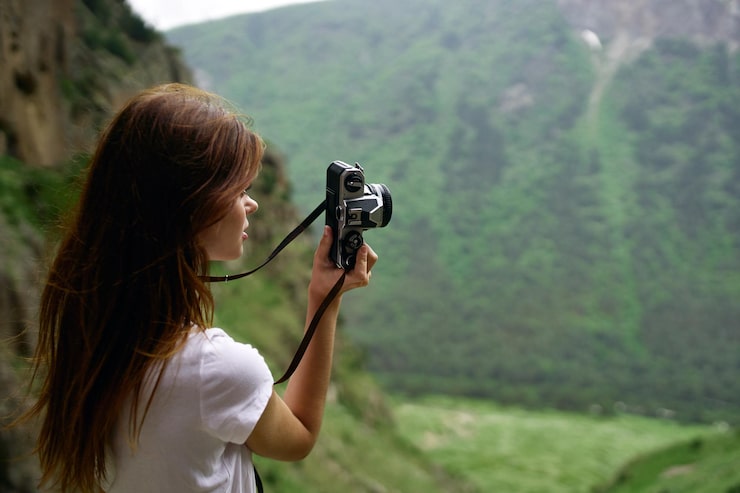
Travel Photography Tips are essential for anyone looking to immortalize their journeys with breathtaking images. Whether you are exploring bustling cities, serene mountains, or sun-kissed beaches, knowing how to capture the perfect shot can turn ordinary travel memories into visual masterpieces. Travel photography is not just about pointing and shooting; it involves understanding lighting, composition, timing, and storytelling to bring landscapes to life.
Imagine standing atop a cliff at sunrise, the horizon painted in shades of orange and pink. With the right techniques, your photograph can convey not only the beauty of the scene but also the emotions of that moment. By applying Travel Photography Tips, travelers can elevate their photography from casual snapshots to professional-quality images that narrate a story.
Table of Contents
ToggleUnderstanding Light for Breathtaking Shots
One of the most critical elements in landscape photography is light. Natural light can dramatically affect the mood and quality of your photos. Early mornings and late afternoons, often referred to as golden hours, provide soft, warm light that enhances colors and textures.
Travelers should pay attention to the direction and intensity of light. For instance, side lighting can add depth and dimension to mountains or forests, while backlighting creates silhouettes and striking contrasts. Understanding how light interacts with the environment allows photographers to plan shots more effectively and capture landscapes at their most photogenic.
Composition Techniques to Enhance Visual Appeal
Composition is another key aspect of travel photography. Simple adjustments in framing and perspective can turn an ordinary scene into a visually compelling image. The rule of thirds, leading lines, and natural frames are essential techniques for drawing the viewer’s eye to the focal point of a photograph.
For example, when photographing a winding river, using the river as a leading line can guide the viewer’s gaze through the landscape. Similarly, framing a mountain peak with surrounding trees or rocks adds depth and context to the scene. By experimenting with angles and perspectives, photographers can create dynamic images that capture the essence of their travel destination.
Choosing the Right Equipment
While a professional DSLR or mirrorless camera offers versatility, even a smartphone can produce stunning travel photos with the right approach. Understanding your equipment’s capabilities, including lenses, exposure settings, and stabilization options, is crucial for maximizing photo quality.
Wide-angle lenses are particularly effective for expansive landscapes, while telephoto lenses allow you to focus on distant details. Additionally, tripods can help stabilize your camera during long exposures or low-light situations, ensuring sharp and clear images. Combining equipment knowledge with creativity ensures that travelers can capture scenes exactly as they envision them.
Incorporating Foreground and Background Elements
Adding foreground and background elements can significantly enhance landscape photography. Including objects like rocks, plants, or architectural details in the foreground creates depth and context, making images more engaging. Meanwhile, a well-chosen background, such as a mountain range, ocean horizon, or sky patterns, can complement the main subject and complete the visual story.
For instance, a lone tree in the foreground with snow-capped mountains in the background immediately draws attention and adds scale to the scene. These elements make photographs more immersive and help viewers feel as if they are standing within the landscape themselves.
Capturing Movement and Dynamic Elements
Travel photography is not limited to static landscapes. Including dynamic elements like flowing rivers, moving clouds, or wildlife can add energy and interest to your photos. Long exposure techniques are particularly effective for creating smooth water or blurred motion effects, enhancing the sense of movement and atmosphere.
Additionally, photographing local activities, such as fishermen casting nets or children playing on the beach, provides a human touch that tells a more complete travel story. By combining landscape and lifestyle elements, photographers can create images that are both visually stunning and narratively rich.
Editing and Post-Processing Tips
Post-processing is an essential part of modern travel photography. Software like Adobe Lightroom or Photoshop allows photographers to adjust exposure, contrast, color balance, and sharpness to bring out the best in their images.
However, moderation is key. Over-editing can make photos appear artificial, while subtle adjustments can enhance natural beauty without losing authenticity. Editing should focus on emphasizing the scene’s mood, improving clarity, and highlighting key elements captured during the shoot.
Planning for Ideal Conditions
Preparation plays a vital role in successful travel photography. Researching locations, checking weather forecasts, and understanding seasonal variations can help photographers plan the best times to capture landscapes.
For example, visiting a waterfall during peak flow seasons or capturing a desert sunrise requires knowledge of the environment. Additionally, scouting multiple vantage points and arriving early can provide unique perspectives and reduce the chances of crowded scenes disrupting your shots.
Storytelling Through Photography
The best travel photographs do more than document places; they tell stories. Capturing cultural details, local interactions, and natural phenomena allows photographers to share experiences beyond mere scenery.
For instance, photographing a market at dawn, with vendors setting up and light filtering through colorful awnings, conveys the atmosphere and rhythm of local life. Combining scenic landscapes with cultural narratives ensures that images resonate emotionally with viewers.
Practical Tips for Traveling Photographers
Carrying lightweight gear, extra batteries, and memory cards ensures readiness for unexpected opportunities. Maintaining flexibility in travel plans allows photographers to adapt to changing conditions, such as sudden shifts in weather or light.
Moreover, engaging with locals can provide insider knowledge of hidden spots that may not appear in guidebooks. These authentic experiences enrich travel photography and contribute to a distinctive portfolio.
Leveraging Social Media and Sharing
Sharing photographs on social media platforms like Instagram or travel blogs allows photographers to reach broader audiences. Curating images thoughtfully, using relevant hashtags, and engaging with followers helps build a community of fellow travelers and photography enthusiasts.
Additionally, feedback from these platforms can offer insights into composition, style, and audience preferences, encouraging photographers to refine their craft continuously.
Advanced Techniques for Professional Results
Advanced techniques such as HDR photography, panoramic stitching, and drone photography can take travel images to the next level. HDR helps capture high-contrast scenes with balanced exposure, while panoramic shots convey the scale and grandeur of landscapes. Drone photography offers unique aerial perspectives, revealing patterns and vistas impossible from ground level.
Mastering these techniques requires practice and patience, but incorporating them into a travel photography routine significantly enhances the visual impact of images.
Enhancing Creativity and Experimentation
Creativity is at the heart of great travel photography. Experimenting with different angles, lighting, focal lengths, and perspectives allows photographers to develop a unique style.
Trying unconventional approaches, such as shooting reflections in water or capturing silhouettes against dramatic skies, encourages exploration and pushes boundaries. Combining technical skills with artistic vision ensures that Travel Photography Tips are applied effectively for memorable and original results.
Final Thoughts
Travel Photography Tips provide a roadmap for capturing landscapes that are visually stunning, emotionally engaging, and technically proficient. By mastering lighting, composition, equipment, and storytelling, photographers can transform ordinary scenes into extraordinary memories. With preparation, creativity, and practice, every journey can become an opportunity to create captivating imagery that resonates for years to come.
Read also:
england cricket team vs india national cricket team match scorecard
pakistan national cricket team vs australian men’s cricket team match scorecard
pakistan national cricket team vs england cricket team match scorecard
vidarbha cricket team vs mumbai cricket team match scorecard
houston rockets vs lakers match player stats
dallas mavericks vs new orleans pelicans matches
sacramento kings vs golden state warriors match player stats
lakers vs houston rockets match player stats