


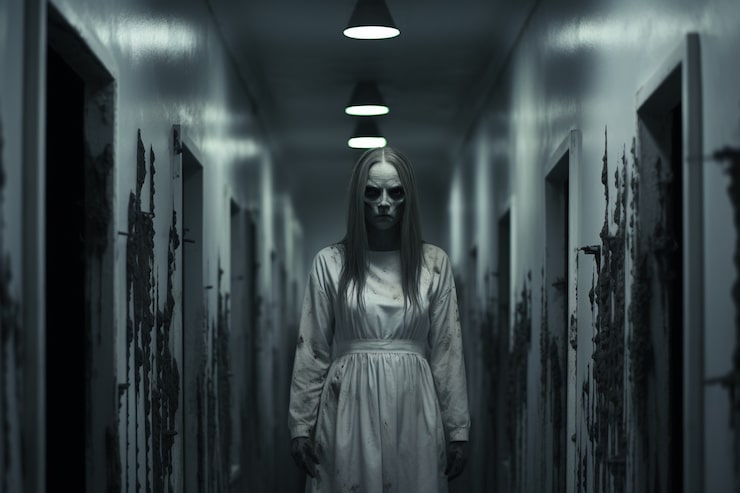
Psychological horror thrillers captivate audiences by tapping into the deepest fears of the mind rather than relying on gore or jump scares. This genre blends intense suspense with complex characters and unsettling plots, creating an experience that lingers long after the credits roll. The appeal lies in its ability to mess with our perception of reality and confront the darker corners of human psychology.
Films like “Get Out,” directed by Jordan Peele, masterfully combine social commentary with psychological tension. The film uses themes of racial identity and paranoia to build suspense, making viewers question not just the unfolding story but real societal issues. Another standout, “Black Swan” by Darren Aronofsky, explores mental unraveling with haunting visuals and an intense performance by Natalie Portman. The psychological torment of a ballerina striving for perfection resonates deeply with audiences, showing how ambition and fear can intertwine to devastating effect.
Learn More:
Similarly, classics like “Psycho,” directed by Alfred Hitchcock, laid the groundwork for psychological horror thrillers by shifting focus from supernatural scares to the disturbed minds behind horrific acts. Hitchcock’s genius in building tension through character psychology rather than overt horror remains influential today.
How Psychological Horror Thrillers Create Lasting Impact
Unlike traditional horror, psychological horror thrillers focus on the inner turmoil of characters and their descent into madness or paranoia. The narratives often explore themes like identity crisis, memory loss, and trauma, giving the films a layered emotional depth. Christopher Nolan’s “Memento” is a brilliant example, where fragmented memories blur the line between reality and illusion. The film’s unique storytelling technique, unfolding scenes in reverse chronological order, plunges viewers into the protagonist’s fractured mind, making them experience confusion and desperation firsthand.
This genre often uses unreliable narrators or nonlinear storytelling to keep viewers guessing. David Fincher’s “Gone Girl” expertly manipulates perceptions, building suspense through psychological manipulation rather than overt horror. The film’s dark exploration of a toxic relationship and media sensationalism draws audiences into a web of deceit and suspicion.
The emotional connection to characters plays a pivotal role. In “The Silence of the Lambs,” psychological horror thrives through the chilling intellect of Hannibal Lecter and the psychological battle between him and Clarice Starling. This interplay keeps viewers on edge, demonstrating that fear can be as much cerebral as visceral.
The Role of Atmosphere in Psychological Horror Thrillers
Atmosphere is crucial in psychological horror thrillers. The unsettling settings amplify tension, making even mundane environments feel menacing. Films like “The Babadook,” directed by Jennifer Kent, create dread through subtle sound design and claustrophobic visuals. The film’s portrayal of grief and mental illness is woven seamlessly with horror, showing how inner demons can manifest as external threats.
Learn More:
west indies cricket team vs india national cricket team match scorecard
Robert Eggers’ “The Witch” stands out for its meticulous period detail and slow-building tension, which immerses the audience in a world where fear is as much psychological as it is supernatural. The bleak, isolated setting and the oppressive atmosphere of religious fanaticism contribute heavily to the film’s chilling effect.
Lighting, sound, and pacing all work together to build a psychological pressure cooker. Instead of relying on loud noises or fast cuts, these films often opt for silence or ambiguous sounds, forcing viewers to fill in the blanks with their own fears.
Psychological Horror Thrillers and Complex Characters
Characters in psychological horror thrillers are often deeply flawed or struggling with trauma, adding layers to the narrative. In Martin Scorsese’s “Shutter Island,” the fragile psyche of a U.S. Marshal investigating a mysterious asylum creates a sense of unease throughout the film. Leonardo DiCaprio delivers a powerful performance as a man grappling with loss and delusion, pulling viewers into a labyrinth of madness and mystery.
Such films delve into themes of identity, memory, and mental health, inviting viewers to empathize with the characters’ turmoil while questioning their own perceptions. “Split,” directed by M. Night Shyamalan, explores dissociative identity disorder in a suspenseful way, combining thriller elements with psychological horror. The portrayal of Kevin’s multiple personalities is both fascinating and terrifying, reminding audiences that the mind itself can be a battleground.
The emotional depth and complexity of characters make the horror more relatable and immersive. Unlike straightforward villains, these protagonists and antagonists are humanized, making their psychological unraveling all the more impactful.
Learn More:
Why Psychological Horror Thrillers Resonate Today
In an era where mental health conversations are increasingly open, psychological horror thrillers resonate by dramatizing internal battles and the human mind’s fragility. Jordan Peele’s “Us” uses doppelgängers to explore identity and societal fears, making it a profound yet terrifying experience. The film’s social allegory adds a new dimension to horror, making viewers think beyond just the scares.
These films challenge audiences not just to be scared but to reflect on human nature and psychological vulnerabilities. The fear evoked is subtle and insidious, often based on real human experiences rather than fantastical monsters.
Additionally, psychological horror thrillers address modern anxieties—technology, isolation, loss of control—in a way that traditional horror may not. The genre’s flexibility allows it to evolve with societal changes, maintaining its relevance.
Emerging Trends in Psychological Horror Thrillers
Recent psychological horror thrillers often blend genres, incorporating elements of mystery, drama, and even dark comedy. Ari Aster’s “Hereditary” shocks with supernatural horror grounded in family trauma, creating a fresh take on psychological fear. The slow-burning horror and intricate character dynamics make the unsettling story unforgettable.
The rise of streaming platforms has allowed more experimental storytelling, giving filmmakers freedom to explore complex narratives that traditional studios might avoid. Limited series like “The Haunting of Hill House” combine psychological horror with family drama, providing more time to develop characters and tension deeply.
There’s also a growing trend toward international psychological horror thrillers, with films like South Korea’s “The Handmaiden” and Spain’s “The Invisible Guest” blending cultural elements with intense psychological suspense.
Key Figures Behind Psychological Horror Thrillers
Directors like Jordan Peele, Darren Aronofsky, and Ari Aster have redefined psychological horror thrillers for modern audiences. Their films combine artistry with visceral storytelling to explore the dark recesses of the human mind.
Actors such as Natalie Portman in “Black Swan” and Leonardo DiCaprio in “Shutter Island” bring intense, layered performances that elevate these films beyond standard horror fare. Their ability to portray complex psychological states invites viewers into an immersive experience.
Screenwriters like Gillian Flynn have crafted twisting narratives that keep audiences hooked while exploring dark psychological themes. Their sharp storytelling skills contribute to the genre’s growing sophistication.
Psychological Horror Thrillers: A Journey Into the Mind’s Darkest Corners
Psychological horror thrillers continue to evolve, captivating audiences with stories that are as intellectually engaging as they are terrifying. Their focus on character psychology, unsettling atmospheres, and mind-bending plots sets them apart in the horror genre.
These films push viewers to confront uncomfortable truths about fear, identity, and sanity. They invite reflection on what it means to lose control, to face the unknown within ourselves.
For fans looking to experience horror that challenges their perceptions and lingers long after the movie ends, psychological horror thrillers remain the ultimate choice. They do more than scare—they haunt the mind.
Learn More: