


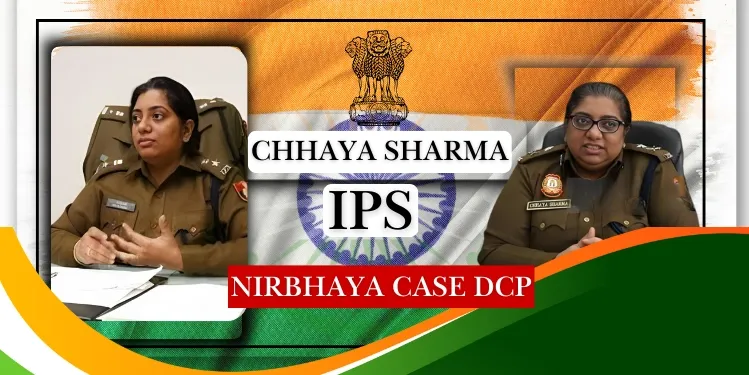
Policing in India involves many responsibilities that are not always visible to ordinary citizens. officersdetails.com provides readers with an opportunity to explore information about police officers, their duties, and their professional responsibilities. An Indian Police Service officer may work in district administration, specialised police units, training institutions, or senior leadership positions, depending on experience and posting. Each assignment brings different challenges, and officers must understand the situation before deciding how available resources should be used. Modern policing also requires officers to respond to changing public expectations, new technology, and problems that can develop very quickly. Managing these responsibilities is not simply about giving instructions or maintaining discipline throughout the department. It also involves understanding people, reviewing information, supporting personnel, and making decisions that follow the law. The challenges can be demanding, especially when several problems require attention at the same time.
Handling Changing Crime Patterns
Crime patterns can change as communities, technology, and economic activities develop over time. Police departments may encounter traditional offences alongside online fraud, identity misuse, organised criminal activity, and other emerging concerns. IPS officers in relevant leadership positions need to understand these developments without assuming that every area faces identical problems. Information from police stations, investigation teams, public complaints, and authorised intelligence sources can help identify changing patterns. However, information must be checked carefully before it becomes the basis for operational decisions. Incorrect assumptions can waste resources and may unfairly affect innocent people. Officers need to consider the seriousness of reported incidents, available evidence, local conditions, and the legal requirements governing police action. They may also coordinate with specialised units when an investigation requires technical knowledge or cooperation across different jurisdictions. Effective supervision helps ensure that investigations remain organised and that teams understand their responsibilities. Regular reviews can reveal where additional training, equipment, or coordination may be necessary.
Improving Investigation Quality
A police investigation requires patience, accurate records, and attention to relevant evidence. Investigators may need to interview people, examine documents, collect material, verify timelines, and follow procedures established by law. IPS officers responsible for supervising investigations should encourage careful work rather than judge progress only by the speed of completion. Rushing can lead to missed details, incomplete documentation, or avoidable mistakes that affect later proceedings. At the same time, unnecessary delays can create difficulties for complainants and other people involved in a case. Supervisors must therefore review progress and help teams address practical obstacles without interfering with lawful investigative independence. The appropriate process depends on the nature of the allegation and the applicable legal framework. Officers should also ensure that sensitive information is handled responsibly and that evidence remains properly documented. Training and professional guidance can improve investigative standards, particularly when cases involve technical records or unfamiliar methods. Quality investigation depends on following evidence wherever it leads rather than beginning with a fixed conclusion.
Managing Pressure During Duty
Police officers frequently work in situations where decisions cannot always wait for a convenient moment. An emergency call, a public disturbance, or a serious accident may require immediate attention while other duties remain unfinished. Senior officers must help teams understand which situations require urgent action and which matters can be handled through normal procedures. This requires judgement because treating every problem as equally urgent can leave genuinely serious incidents without enough support. Officers also need dependable communication systems so that important information reaches the right people quickly. When instructions are unclear, different teams may duplicate work or overlook essential responsibilities. IPS officers can reduce these problems through planning, clear reporting arrangements, and regular reviews of operational duties. Pressure should not become an excuse for ignoring legal safeguards or treating members of the public disrespectfully. A strong working culture encourages personnel to remain calm, communicate honestly, and ask for support when a situation exceeds their immediate capacity. Good preparation cannot remove every difficulty, but it can make difficult situations easier to manage.
Balancing Discipline And Fairness
Discipline is important in police organisations because personnel must follow lawful instructions and established professional standards. However, discipline works best when expectations are clear and rules are applied consistently. IPS officers may need to address attendance problems, improper conduct, weak performance, or disagreements affecting team operations. Before taking action, they should understand the relevant facts and follow the procedures applicable to the situation. Treating similar cases differently without a reasonable explanation can damage confidence within the department. Fair supervision also means recognising when personnel need guidance, practical training, or assistance with an unfamiliar responsibility. Not every mistake has the same cause, so responses should match the circumstances and applicable rules. Serious misconduct requires appropriate action, while a genuine skills gap may call for additional instruction and monitoring. Officers in leadership roles set an example through their own behaviour, communication, and willingness to accept responsibility. A department becomes more dependable when discipline supports professional standards instead of relying only on fear or personal authority.
Maintaining Public Confidence
Public confidence influences how willing people are to approach the police, report concerns, and cooperate with lawful investigations. Confidence can weaken when citizens experience confusing procedures, disrespectful treatment, unexplained delays, or inconsistent communication. IPS officers can support improvements by reviewing service standards and encouraging police personnel to communicate clearly with residents. This does not mean every public complaint will result in the outcome requested by the person making it. Police decisions must follow evidence, legal requirements, and the responsibilities assigned to the department. However, people should receive appropriate information about available procedures and the next steps whenever disclosure is permitted. Community meetings and public awareness activities can help explain police responsibilities and provide opportunities to hear local concerns. Officers should also recognise that public trust develops through repeated experiences rather than through a single announcement or campaign. When departments respond professionally and examine complaints seriously, they create stronger conditions for cooperation. Public confidence is therefore connected to everyday conduct, not only to major operations or high-profile achievements.
Responding To Digital Threats
Digital technology has created useful opportunities for communication, business, and public services, but it has also introduced new challenges for law enforcement. Online fraud, impersonation, account misuse, and unauthorised access to personal information can affect people across different age groups. Investigating these matters may require specialised knowledge, secure handling of digital records, and cooperation with relevant technical teams. IPS officers responsible for cyber-related work need to understand the importance of preserving evidence and following appropriate legal procedures. Digital information can be incomplete or misleading, so investigators must examine its reliability before drawing conclusions. Officers may also need to coordinate with other jurisdictions when the people involved or the relevant records are located elsewhere. Public education can help citizens recognise suspicious messages, protect account details, and report suspected offences through appropriate channels. However, awareness campaigns should not suggest that victims are responsible for criminal acts committed against them. Better training, careful investigation, and responsible information handling can help police departments respond more effectively to digital offences.
Preparing Teams For Emergencies
Emergency preparation involves more than arranging personnel after a serious incident has already occurred. Police departments need plans for communication, public movement, coordination with emergency services, and the deployment of available resources. IPS officers may oversee or support these arrangements according to their official responsibilities and the local administrative structure. Planning should consider different situations, including severe weather, major accidents, public disturbances, and emergencies affecting crowded locations. Each type of incident may require a different response, so plans should remain practical rather than becoming documents that nobody regularly reviews. Training exercises can help personnel understand their duties and identify communication problems before an actual emergency takes place. Officers should also check whether essential equipment and contact arrangements remain usable. After an incident or exercise, a review can identify mistakes and highlight improvements for future preparation. Coordination with medical services, disaster management authorities, and local administration can be especially important when several organisations need to act together. Preparedness improves when lessons from previous situations lead to realistic changes.
Supporting Responsible Technology
Police departments increasingly use digital systems to organise records, communicate information, and support administrative decisions. These tools can reduce repetitive work when they are selected carefully and introduced with suitable training. However, technology can also create problems when systems are unreliable, staff do not understand them, or information is entered incorrectly. IPS officers involved in modernisation should consider practical needs before recommending new software or equipment. They should examine whether a proposed system saves time, improves accuracy, or makes a necessary service easier to access. Privacy and information security also require attention because police records may contain sensitive personal details. Access controls, staff training, and proper record management can reduce the risk of inappropriate disclosure. Digital tools should not replace careful human judgement, especially when decisions affect people’s rights or legal circumstances. Officers must still verify information and follow applicable procedures rather than treating automated results as unquestionable facts. Technology is most useful when it supports trained personnel and solves a clearly identified operational problem.
Managing Staff Development
Police departments depend on personnel who understand their responsibilities and have the skills needed for their assignments. Initial training provides an important foundation, but officers continue learning throughout their careers. New procedures, legal changes, digital tools, and operational challenges can create additional training requirements. IPS officers may contribute to identifying these needs, supervising training programmes, or evaluating whether personnel are prepared for particular responsibilities. Training should connect with actual working conditions rather than focus only on theoretical information. Practical exercises can help personnel practise communication, decision-making, emergency response, and appropriate documentation. Supervisors can also examine recurring problems to identify where further guidance may improve performance. Experienced officers have useful knowledge, but established habits should still be reviewed when procedures change. Staff development also requires attention to workload, because personnel need reasonable opportunities to apply what they learn. A department that invests in professional development can improve consistency and help officers respond more confidently to unfamiliar situations.
Coordinating Across Jurisdictions
Some investigations and public safety problems extend beyond the boundaries of one police station or district. A person involved in an offence may travel between locations, while digital records or witnesses may be connected to different jurisdictions. Such cases can require coordination between police units and careful compliance with applicable procedures. IPS officers may help organise communication, clarify responsibilities, and ensure that relevant information reaches authorised teams. Effective coordination depends on accurate records and a shared understanding of what each unit must do. Conflicting instructions or incomplete information can create unnecessary delays and make an already difficult investigation harder to manage. Officers should establish appropriate communication channels while respecting legal restrictions on information sharing. Cooperation may also involve specialised agencies when a matter falls within their responsibilities. Regular follow-up helps ensure that requests are not overlooked and that important developments are communicated promptly. Coordination is not simply about contacting another office; it involves maintaining clear responsibilities until the relevant task has been completed.
Learning From Operational Reviews
A police department can improve when it examines its own work honestly and consistently. Operational reviews may consider response arrangements, resource allocation, complaint handling, investigation progress, and coordination between teams. IPS officers can use these reviews to understand whether existing procedures are producing useful results. A report should do more than describe what happened, because its findings need to support practical decisions. For example, repeated delays may indicate unclear responsibilities, insufficient staffing, poor communication, or a process that needs revision. Different causes require different solutions, so officers should avoid making changes before understanding the underlying issue. Feedback from frontline personnel can be particularly useful because they often see problems that are less obvious in administrative records. Reviews should also consider whether new procedures create unexpected difficulties elsewhere in the department. Where appropriate, improvements can be introduced gradually and assessed using reliable information. Learning from mistakes is a sign of responsible management when it leads to better practice and appropriate accountability.
Understanding Professional Responsibility
The authority associated with police service comes with significant responsibilities toward the law and the public. IPS officers must work within the powers and duties attached to their official positions. Decisions should be based on relevant facts, lawful instructions, and established procedures rather than personal preferences. Ethical conduct includes treating people respectfully, protecting confidential information, and avoiding the misuse of official authority. It also means recognising that seniority does not remove the need for careful judgement or accountability. Officers may face difficult situations where public pressure, operational urgency, and legal requirements appear to pull in different directions. In such circumstances, they must understand the rules that apply and seek appropriate guidance when necessary. Professional responsibility also involves documenting important decisions so that they can be reviewed through authorised processes. Ethical standards become meaningful when they influence ordinary workplace behaviour and operational choices. Public service requires consistent conduct, particularly when decisions are difficult or attract strong reactions from different groups.
Conclusion
IPS officers face a wide range of challenges involving investigations, staff management, digital threats, emergency preparation, public confidence, and administrative coordination. Their responsibilities differ according to their rank and posting, but careful judgement and professional conduct remain important throughout police service. Strong leadership can help departments organise resources, support personnel, improve procedures, and respond more effectively to changing public needs. At the same time, successful policing depends on cooperation between frontline staff, other government agencies, and the communities they serve. Training, accountability, responsible technology, and regular operational reviews can support meaningful improvements when they are applied properly. Readers seeking further information about Indian police officers and their professional responsibilities can explore officersdetails.com for related topics and useful reading. Continue learning about public institutions through reliable information, and develop a clearer understanding of the people working to maintain public safety.
Read also :-